
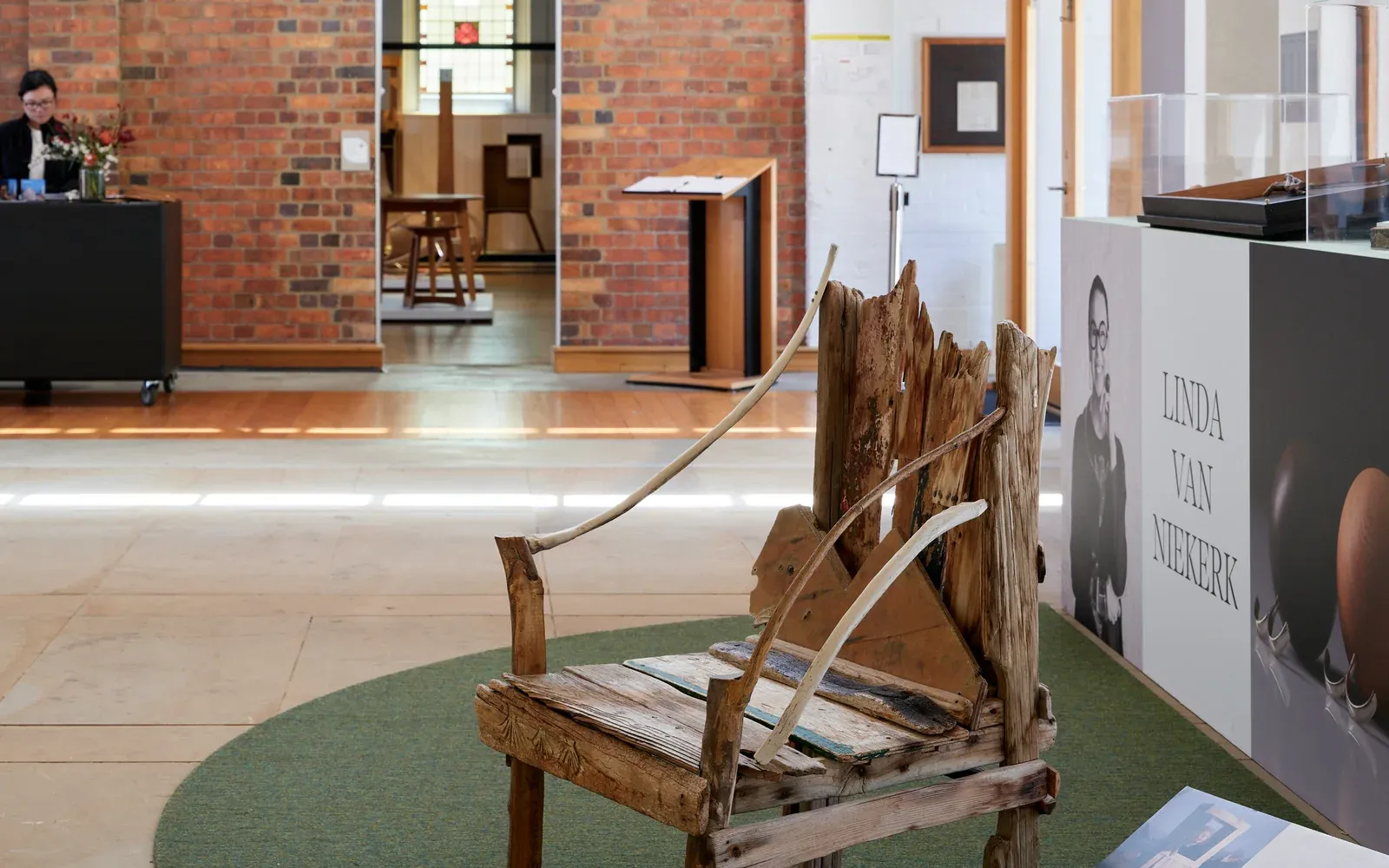
The circular economy is gaining visibility across several sectors. Culture and tourism are no exception. This sustainable approach promotes waste reduction and the reuse of resources, and it can become a powerful ally for cultural spaces facing new environmental, economic and social challenges.
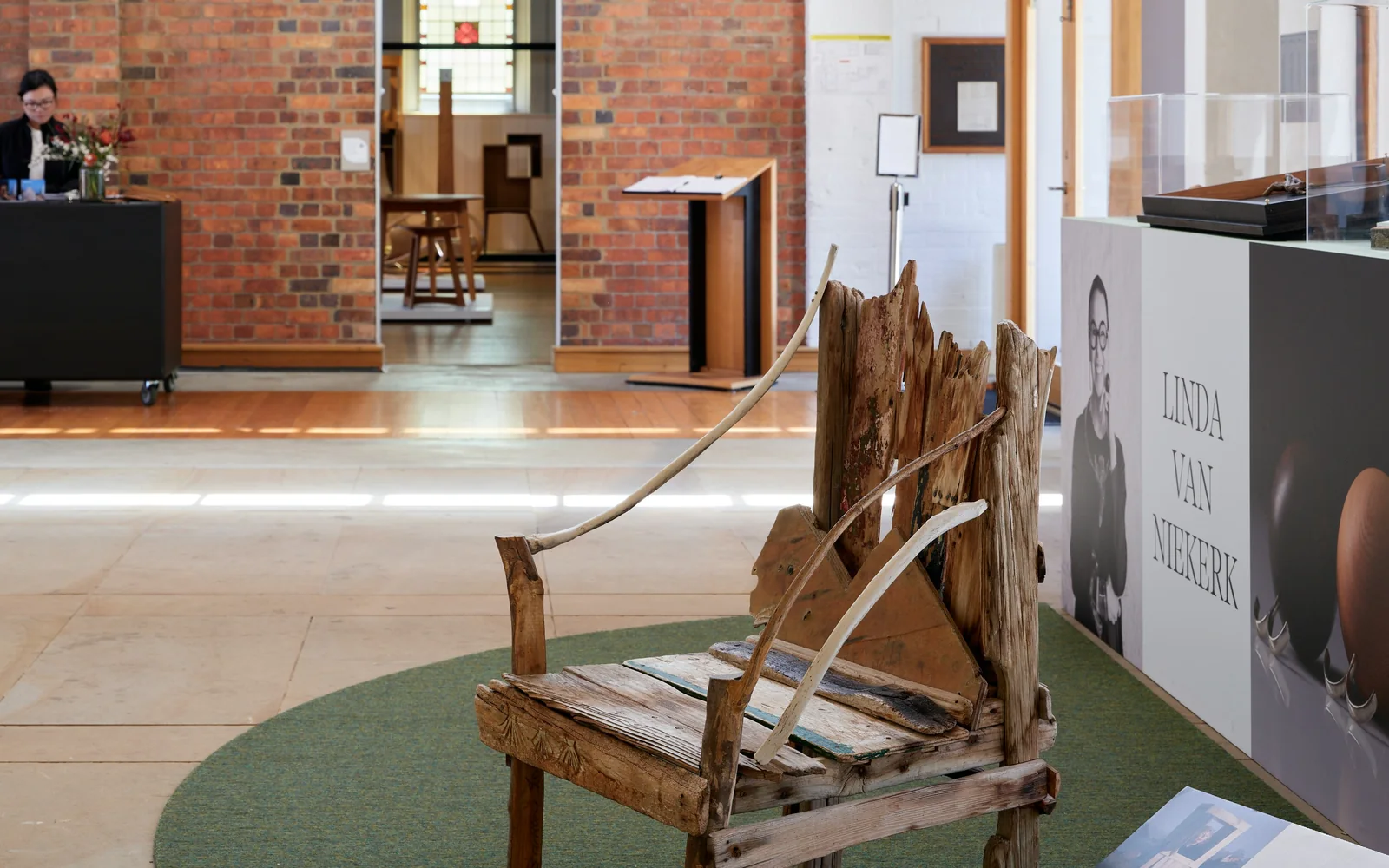
But how can the circular economy be applied in a cultural context? What can cultural spaces learn from this trend?
What is the circular economy?
Unlike the traditional linear model of producing, consuming and discarding, the circular economy is based on closed production cycles. The main goal is to keep materials in use for as long as possible, regenerate natural systems and reduce environmental impact.
This model is especially relevant in a context of climate crisis and resource scarcity.
Culture and sustainability: challenges and opportunities
Museums, cities and cultural spaces are places of creation, experimentation and dialogue. They also consume energy, produce waste and often use short-lived materials for temporary exhibitions, events or artistic productions.
Applying circular economy principles can involve actions such as:
- reusing materials from previous exhibitions or performances;
- improving the energy efficiency of buildings and spaces;
- implementing more effective waste management systems.
Sustainable adaptations in the cultural sector
Several cultural projects are already integrating practices in this direction. Festivals reuse structures year after year and promote reusable cups. Museums digitalize documents and archives to reduce printing. Other cultural institutions work with recycled materials.
In Portugal, initiatives such as Andanças Festival, with its waste management practices, and MAAT, the Museum of Art, Architecture and Technology, show how sustainability can be incorporated into cultural projects and architecture.
This transition can open doors to new forms of artistic creation and public engagement, turning sustainability into an element of cultural innovation.

Advantages for cultural spaces
Adopting circular economy principles is not only ethical and ecological. It can also be an economic efficiency strategy. It can reduce operational costs over the medium and long term, diversify revenue sources through new models and increase perceived value among audiences and funders.
It can also strengthen the institution’s image as responsible, innovative and aligned with current social concerns.
A cultural responsibility
Cultural spaces have the capacity to influence public behaviour and imagination. By adopting circular practices, they do more than reduce their own impact. They also demonstrate that sustainability is possible and relevant in everyday institutional life.
The circular economy offers culture an opportunity to rethink resources, materials and experiences. It is a way to reduce waste, create value and align cultural management with a more sustainable future.