
Case studies, stories and guides
Proof and practical thinking for museums, heritage sites, cities, routes and cultural destinations building better visitor experiences.
How storytelling and gamification increase tourist dwell time in cultural spaces
Storytelling and gamification help cultural spaces create more participatory routes, increasing visitor engagement and dwell time.
Read more
From the museum to the city: when the network multiplies the value of culture
A view on how museums, cities and territories can work as a network to extend the cultural journey and create more value for visitors and institutions.
Read more
From contemplation to participation: the new relationship between visitors and cultural spaces
Cultural spaces are evolving from observation-centered models to experiences that invite visitors to participate, explore and build meaning.
Read more
Museums at human scale
A reflection on the role of contemporary museums as spaces that are more approachable, inclusive and connected to communities and everyday life.
Read more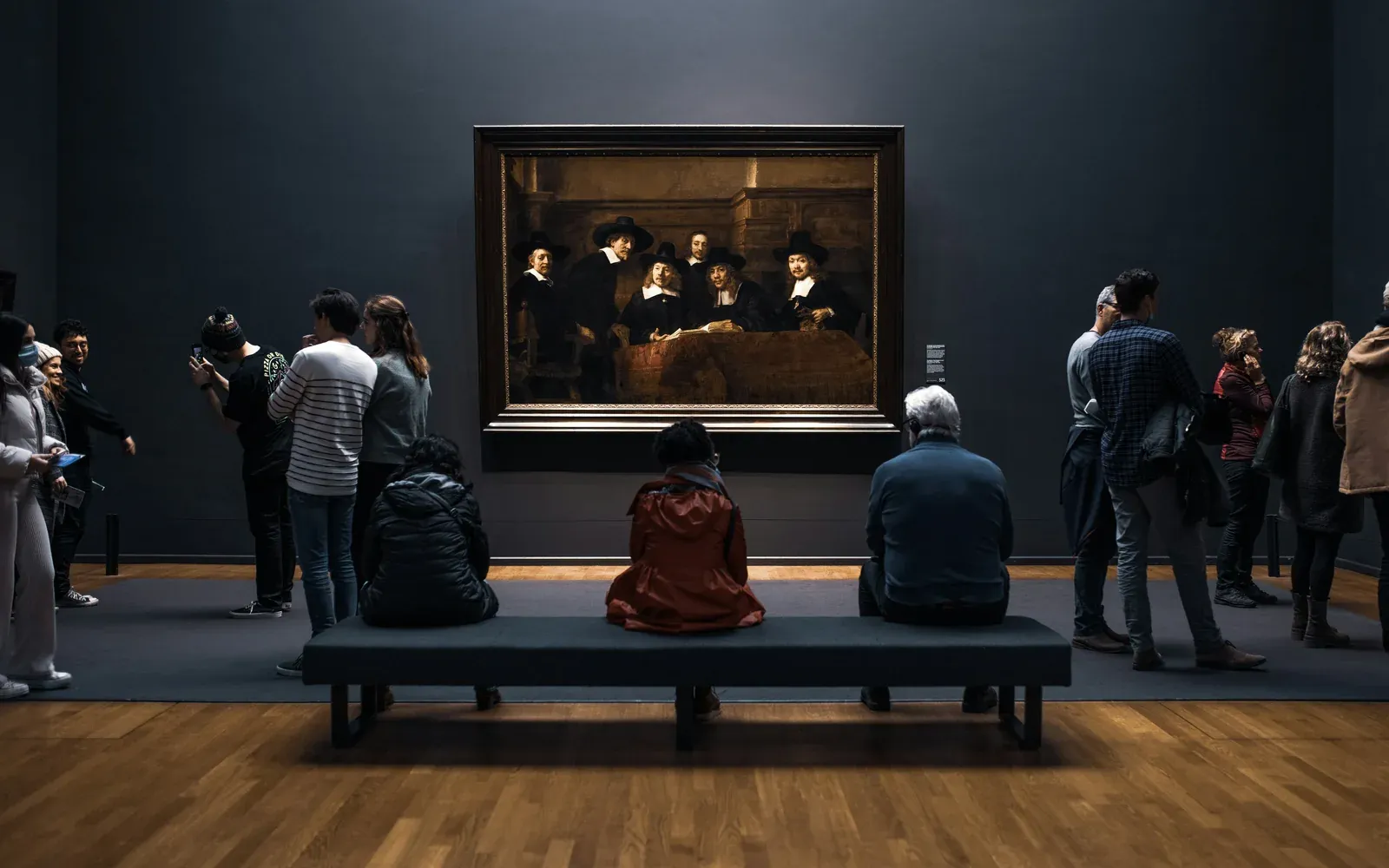
How to include and attract older audiences to cultural spaces through new technologies
New technologies can help cultural spaces include older audiences when they are designed with clarity, simplicity and support for autonomy.
Read more
Cultural accessibility for everyone
Accessibility in cultural spaces goes beyond removing physical barriers and should consider different sensory, cognitive and communication needs.
Read more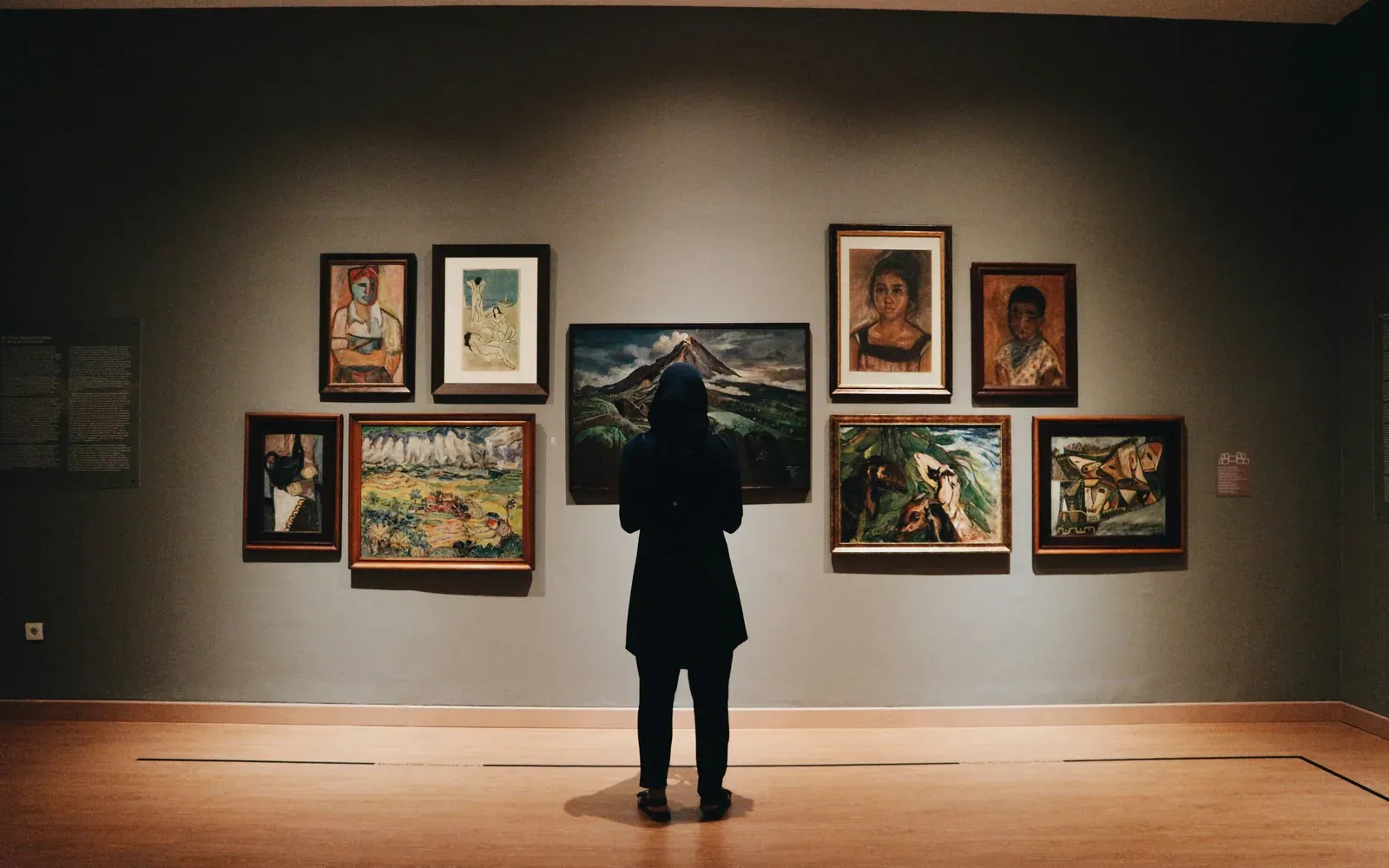
Storytelling and art: when artworks do not speak
Storytelling can transform how audiences interpret artworks, making context more accessible and emotionally meaningful.
Read more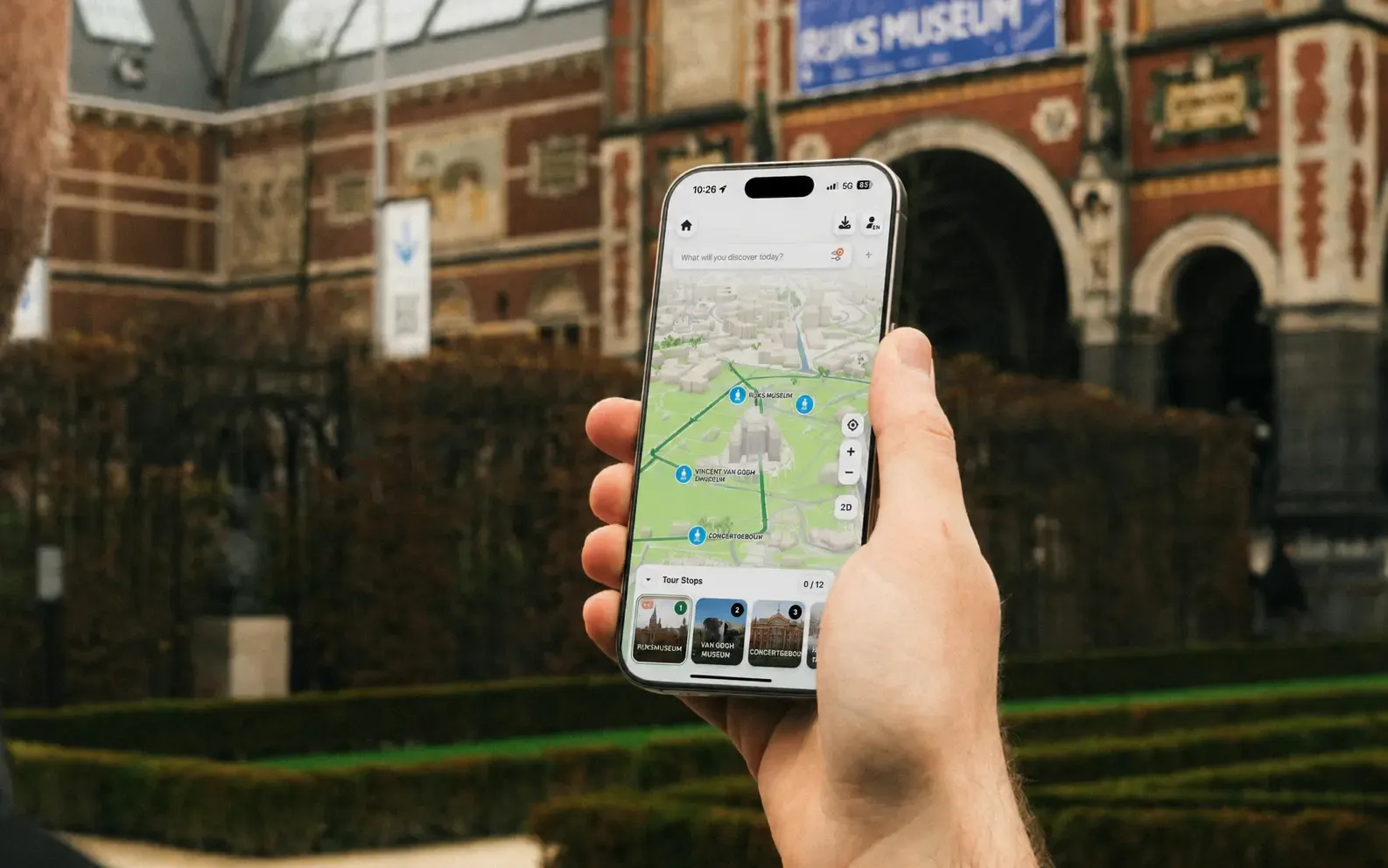
How do digital guides improve the visitor experience?
Digital guides reduce queues, improve accessibility, support multimedia content and give cultural teams more autonomy to manage and improve experiences.
Read more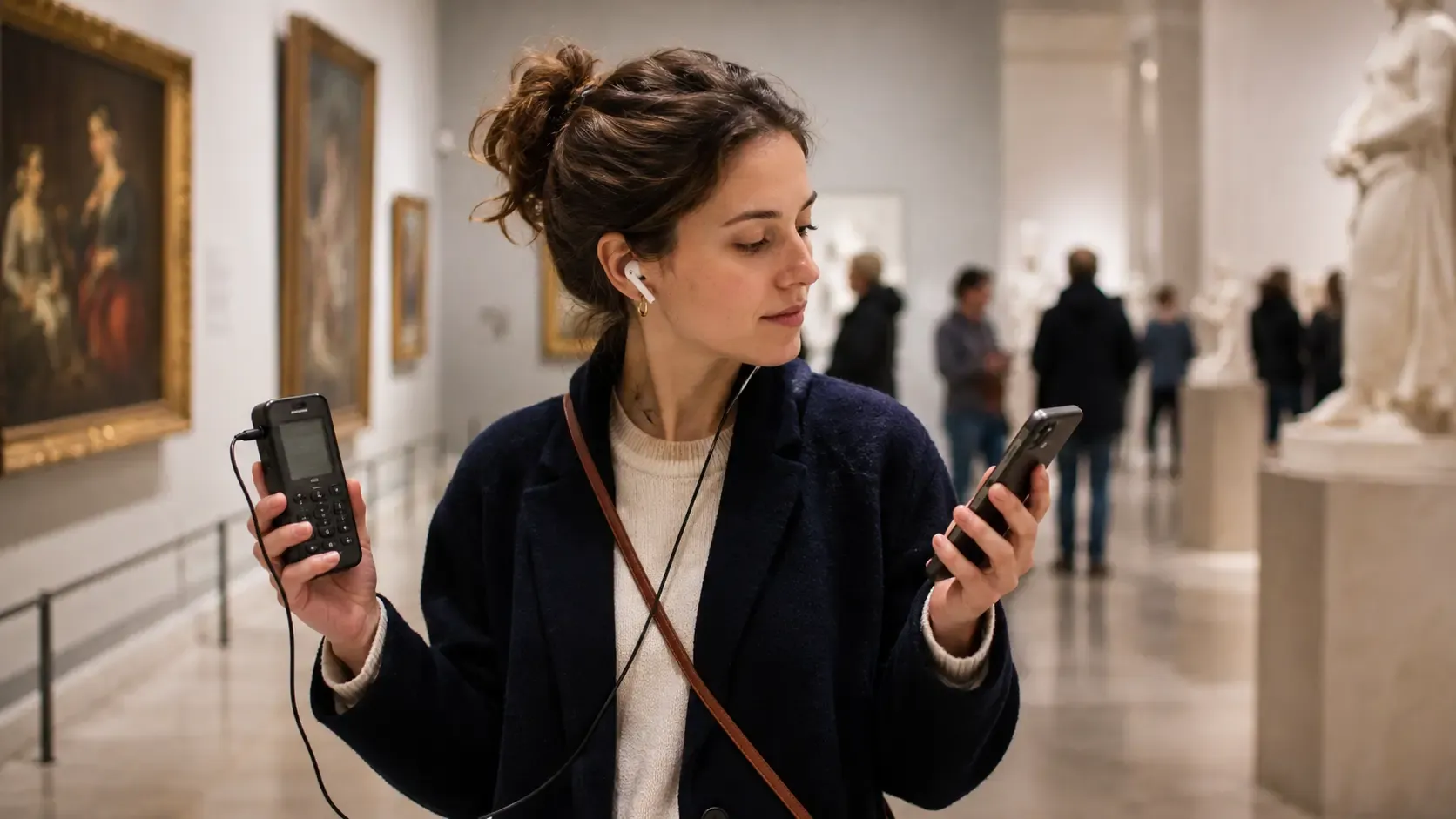
Audio guide: conventional vs digital
A comparison between conventional and digital audio guides, including access, content updates, operating costs and the visitor experience.
Read more
From QR codes to AI: the new era of interaction in cultural spaces
Interaction in cultural spaces is evolving from QR codes and physical markers to more fluid experiences based on AI and visual recognition.
Read more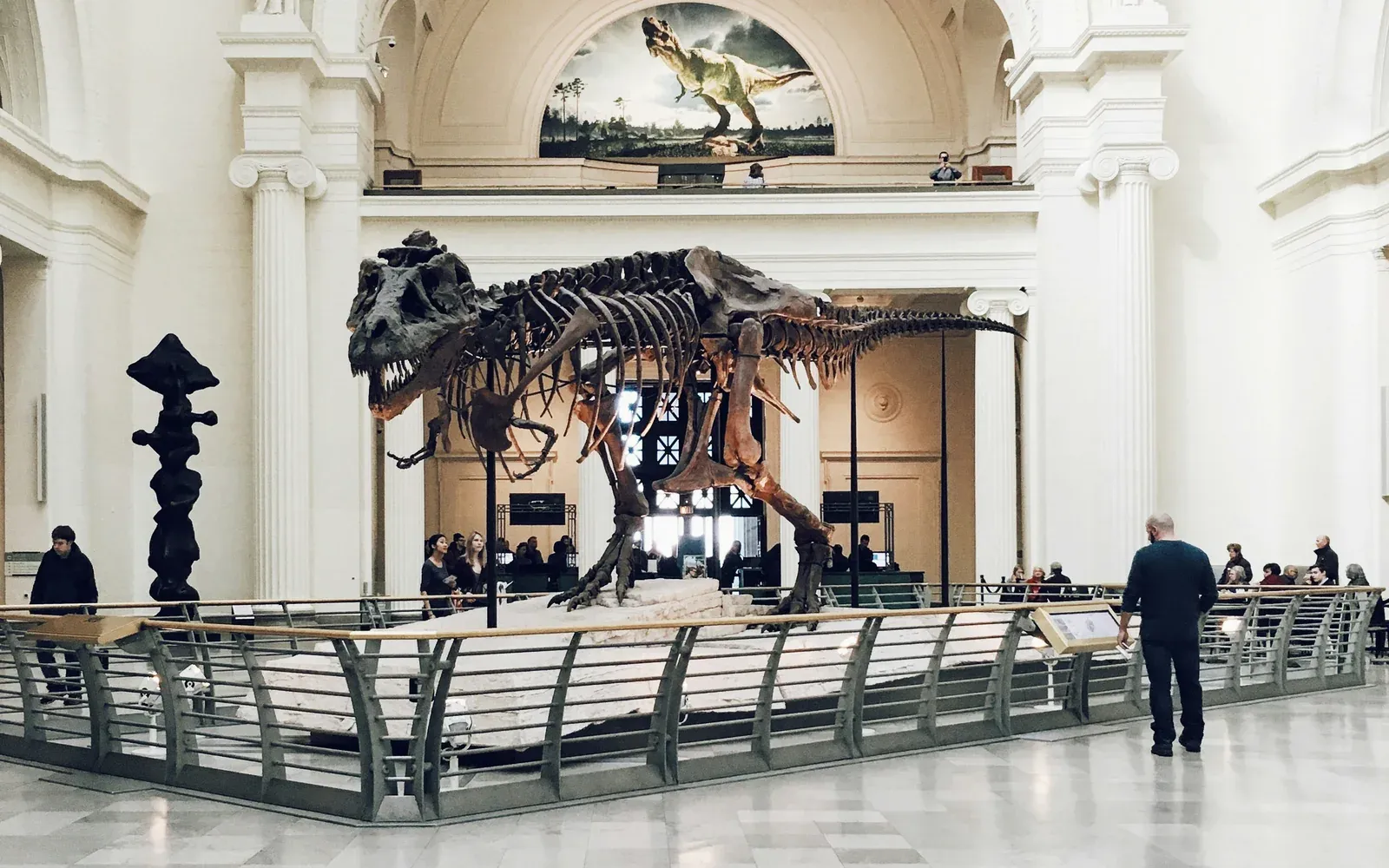
How can museums turn discovery into a game?
Gamification can encourage exploration, learning and curiosity, helping visitors discover collections and cultural spaces in a more engaging way.
Read moreDigital experiences in museums: Progressive Web Apps vs mobile apps
A comparison between progressive web apps and traditional mobile apps for digital museum experiences, with a focus on access, friction and maintenance.
Read more
The role of technology in preserving cultural heritage for future generations
Technology can support cultural heritage preservation through digital documentation, interpretive experiences and new forms of access for future generations.
Read moreDigital guides for museums: what to know before creating yours
Before creating a digital guide, museums should consider goals, audiences, content, accessibility, internal operations and the ability to keep content up to date.
Read more
How can municipalities use technology to boost tourism?
Municipalities can use technology to promote heritage, guide visitors, create digital routes and improve how tourists discover the territory.
Read more
How can technology in museums attract younger audiences?
Technology can help museums attract younger audiences through interactive experiences, multimedia, gamification and formats closer to their digital habits.
Read more
Does sustainable tourism need digital solutions?
Digital solutions can support sustainable tourism by reducing physical materials, distributing visitor flows more effectively and promoting more conscious cultural experiences.
Read more
How gamification attracts young audiences to museums and cultural institutions
Gamification helps museums and cultural institutions engage young audiences by turning visits into more active, participatory and memorable experiences.
Read more
The costs of ignoring digital transformation in museums
Ignoring digital transformation can limit museums’ ability to attract audiences, improve accessibility, manage content and respond to new visitor expectations.
Read moreThe economic impact of investing in digital solutions for culture
Investing in digital solutions can strengthen cultural attractiveness, open new revenue opportunities and improve institutional efficiency.
Read more
Government support for digital heritage platforms: is it crucial?
Government support can be decisive in making digital heritage platforms more accessible, scalable and useful for institutions and communities.
Read moreAudio guides in different languages: the key to attracting international tourists
Providing audio guides in multiple languages helps museums, monuments and destinations better welcome international tourists and make visits easier to understand.
Read more
Sustainable museums: how to reduce the environmental impact of exhibitions and cultural events
Museums can reduce the environmental impact of exhibitions and cultural events through sustainable practices, efficient planning and digital solutions.
Read more
Accessible audio guides: the importance of sign language
Sign language in digital cultural experiences is an important tool to ensure deaf and hard-of-hearing visitors have real access to content.
Read more
Circular economy in culture: what cultural spaces can learn from this trend
The circular economy offers cultural spaces a way to rethink materials, resources, exhibitions and experiences with less waste and greater responsibility.
Read more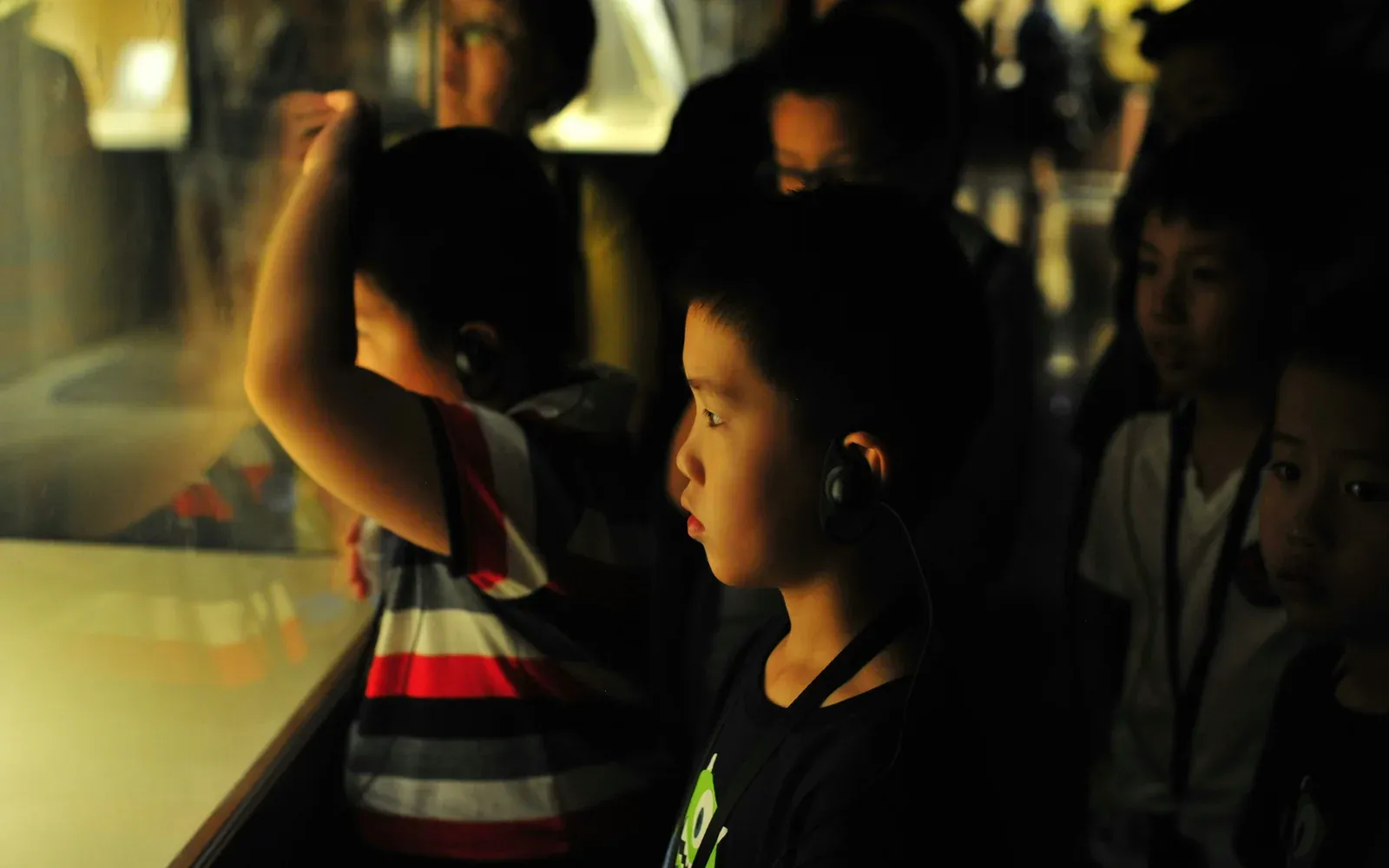
The importance of child-friendly texts in cultural spaces
Child-friendly texts help cultural spaces make content more understandable, participatory and appropriate for different ages.
Read moreWant to see what this could look like for your site?
Book a short conversation about your visitor experience goals.