
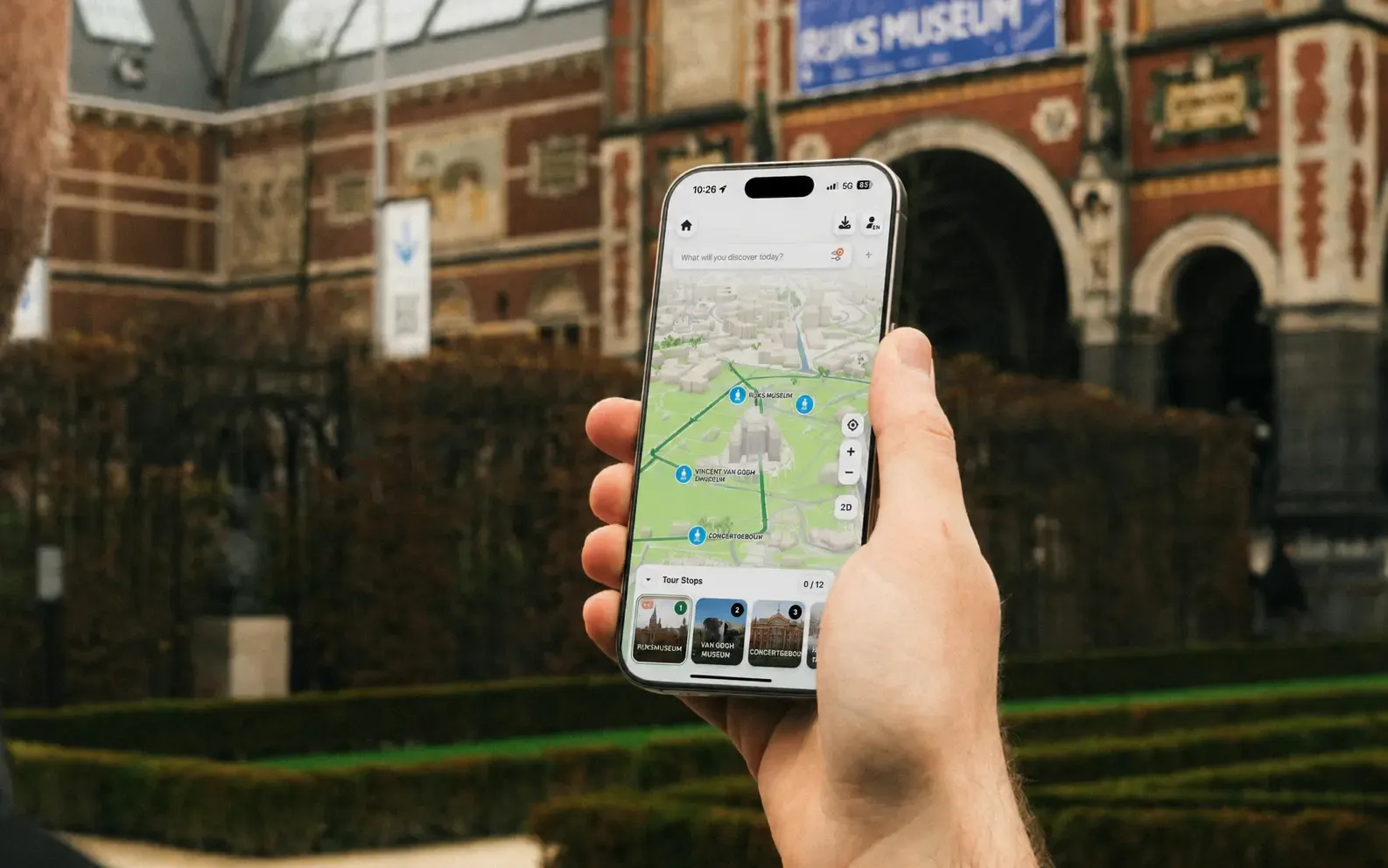
In the digitally advanced world we live in, tourists and museum visitors expect experiences that go beyond static exhibitions. Digital guides are an excellent way to offer interactive, accessible and personalized content, making each visit more unique and engaging.
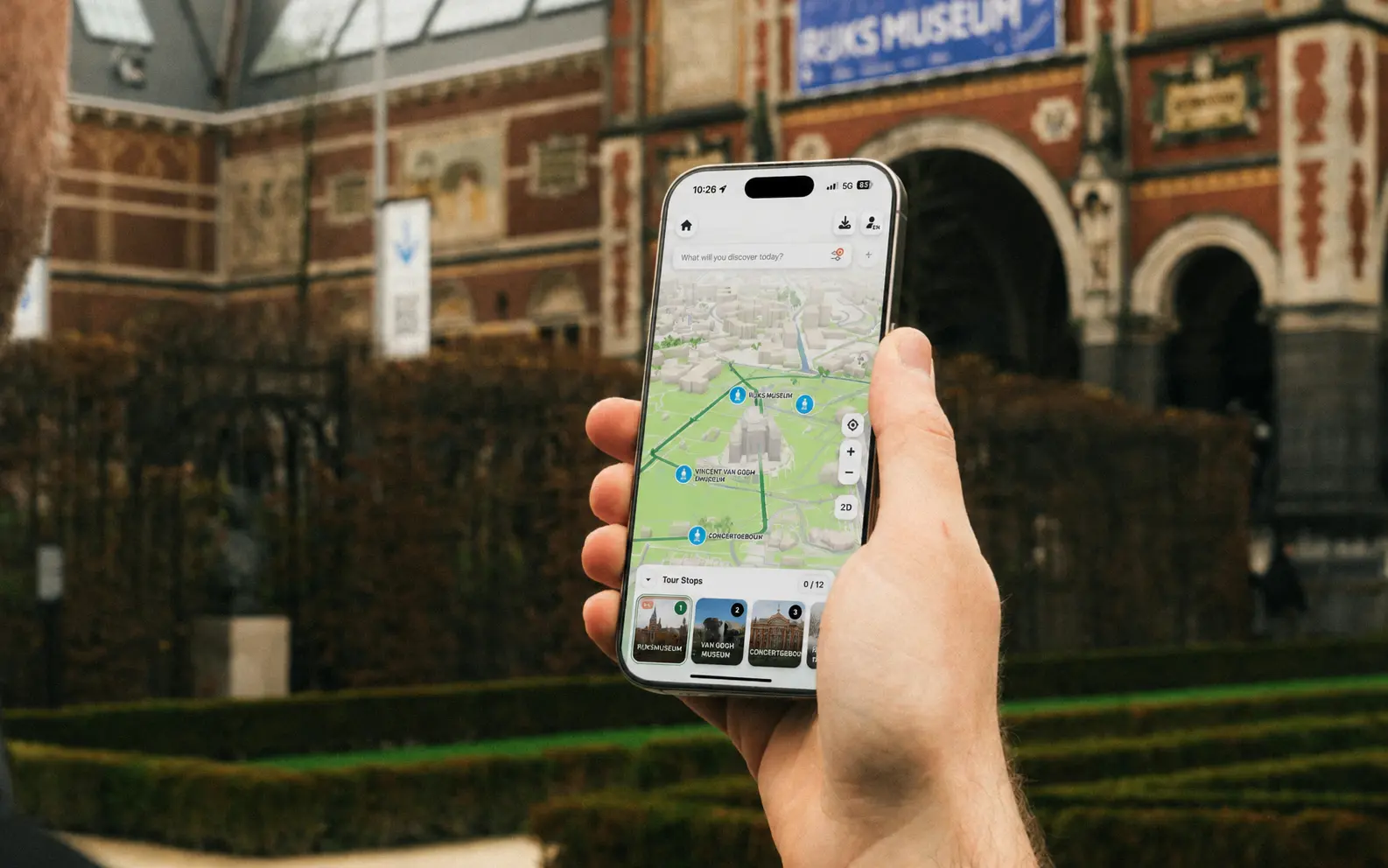
But how can museums create a truly effective digital guide? There are several essential points to consider before starting.
1. Focus on the user experience
A digital museum guide should be intuitive and easy to navigate. The interface should be clear, well organized and accessible, ensuring that visitors can quickly find the information they are looking for.
Usability tests can help teams identify and correct possible difficulties before the experience reaches the public.
2. Create engaging and accessible content
The key to an effective digital guide lies in creating interesting multimedia content. This may include high-quality images, audio, video, augmented reality, maps and other formats that enrich the visit.
Accessibility should also be considered from the beginning. A good digital guide can include subtitles, audio description, multilingual versions, adapted content for children, simplified language and offline access.

This allows more visitors to enjoy a better and more inclusive experience.
3. Integrate with mobile technology
Most visitors prefer to use their own devices. A digital museum guide should therefore be compatible with smartphones and tablets.
Progressive Web Apps are often a strong option because they allow access without installation, reducing friction and avoiding the need for additional equipment.
4. Personalize the experience
Visitors have different interests. A digital guide can offer themed routes, suggestions based on preferences and interactive features such as gamification. This encourages deeper engagement with exhibitions, artworks or heritage spaces.
5. Plan updates and maintenance
An outdated digital guide is not effective. Content should be updated regularly to include new information, correct errors and improve the experience based on visitor feedback.
A content management system, or backoffice, is therefore essential. Without it, the guide becomes static and museums cannot adapt autonomously.
6. Evaluate the right technology
Another important factor is choosing the right technology for the space. QR codes, for example, should not be considered state-of-the-art simply because they are common.
Museums should evaluate the best access model, the level of infrastructure required, the visitor experience and the long-term sustainability of the solution.
Conclusion
Creating a digital guide for museums is much more than providing information about exhibitions or artworks. It is an opportunity to enrich the visit, make the museum more accessible and encourage public engagement.
By focusing on user experience, accessibility and appropriate technology, museums and cultural spaces can turn visits into truly memorable experiences.