
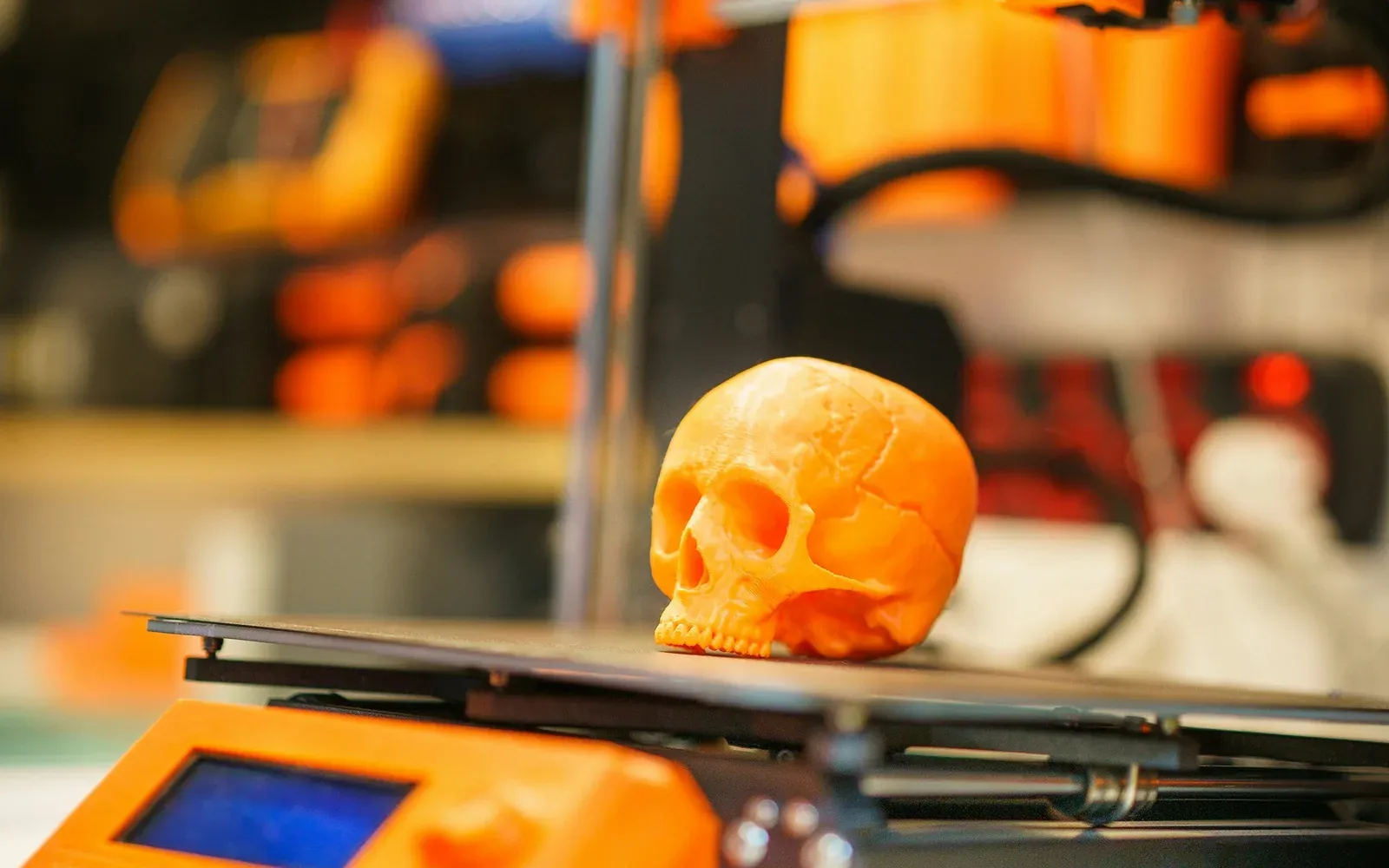
Preserving cultural heritage is a continuous challenge, especially in a world in constant transformation. Technology has played an increasingly important role in conserving artefacts, monuments and traditions, helping ensure that future generations can access the historical richness of humanity.
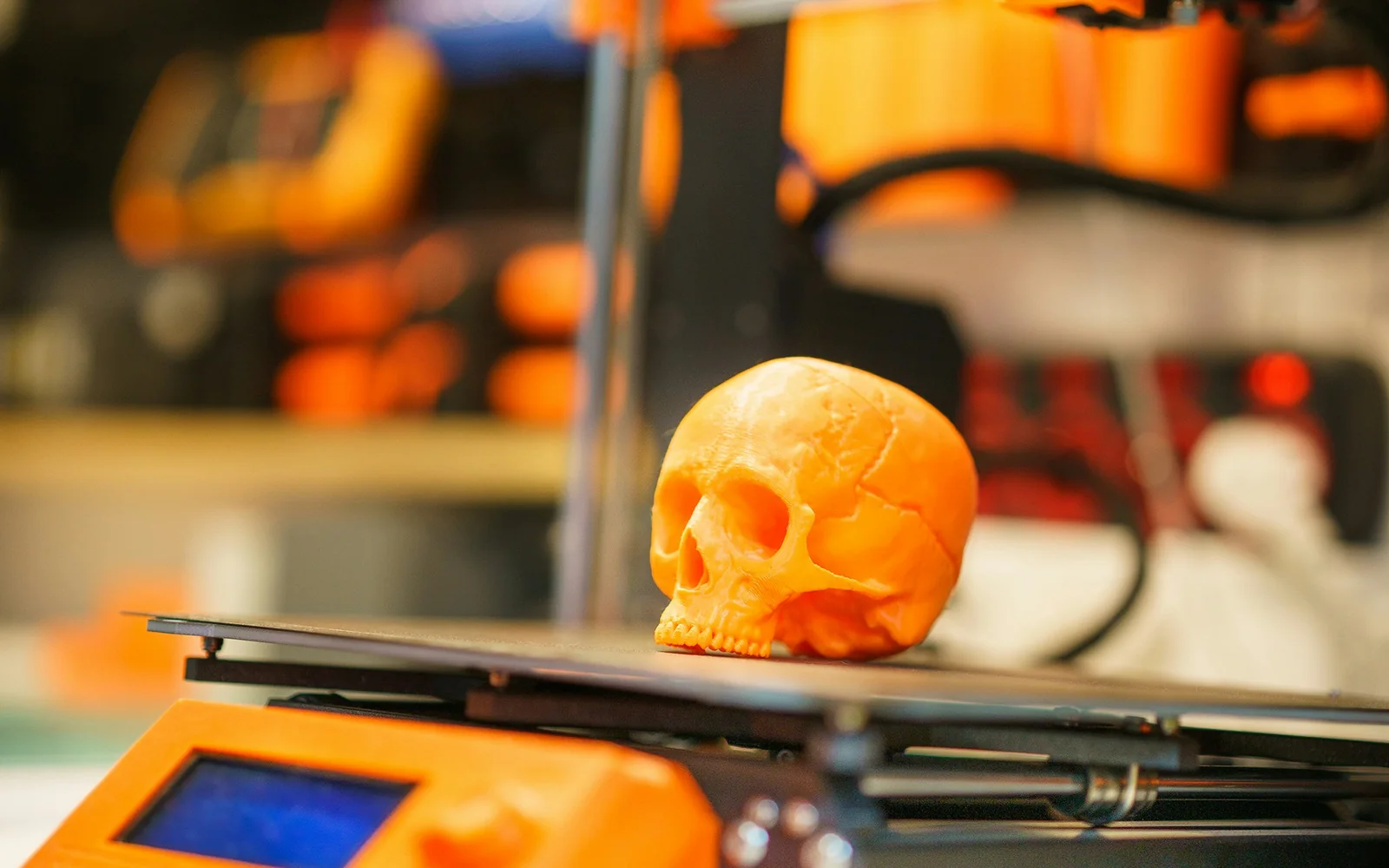
Digital archives, interactive guides and 3D mapping are some of the technological tools that are changing the way we protect and communicate cultural heritage.
Digital archives: preservation and access
The digitalization of physical documents, artworks and historical records is one of the most effective strategies for preventing the degradation of fragile materials. By transforming physical archives into digital collections, institutions can gain several advantages.
First, digital storage supports long-term conservation. Unlike physical storage, digital copies can protect documents from humidity, fire, handling and natural deterioration.
Second, digital archives allow broader access. People from different parts of the world can consult digital collections without needing to travel to the place where the original materials are kept.
Third, digital databases make research easier. It becomes faster and more efficient to search, locate and compare information across large collections.
Institutions such as the National Library of Portugal and Torre do Tombo already use these approaches to support the longevity and accessibility of their collections.
Interactive guides: a new way to explore culture
Interactive guides have changed how visitors engage with cultural spaces, exhibitions and museums. These guides, accessed through mobile apps, PWAs or devices available on site, can offer audio, video, images, augmented reality, artificial-intelligence visual recognition and other features that enrich the visit.
They also support accessibility and inclusion. Visitors with hearing, visual or cognitive needs can benefit from adapted formats such as audio description, subtitles, sign language or simplified language.
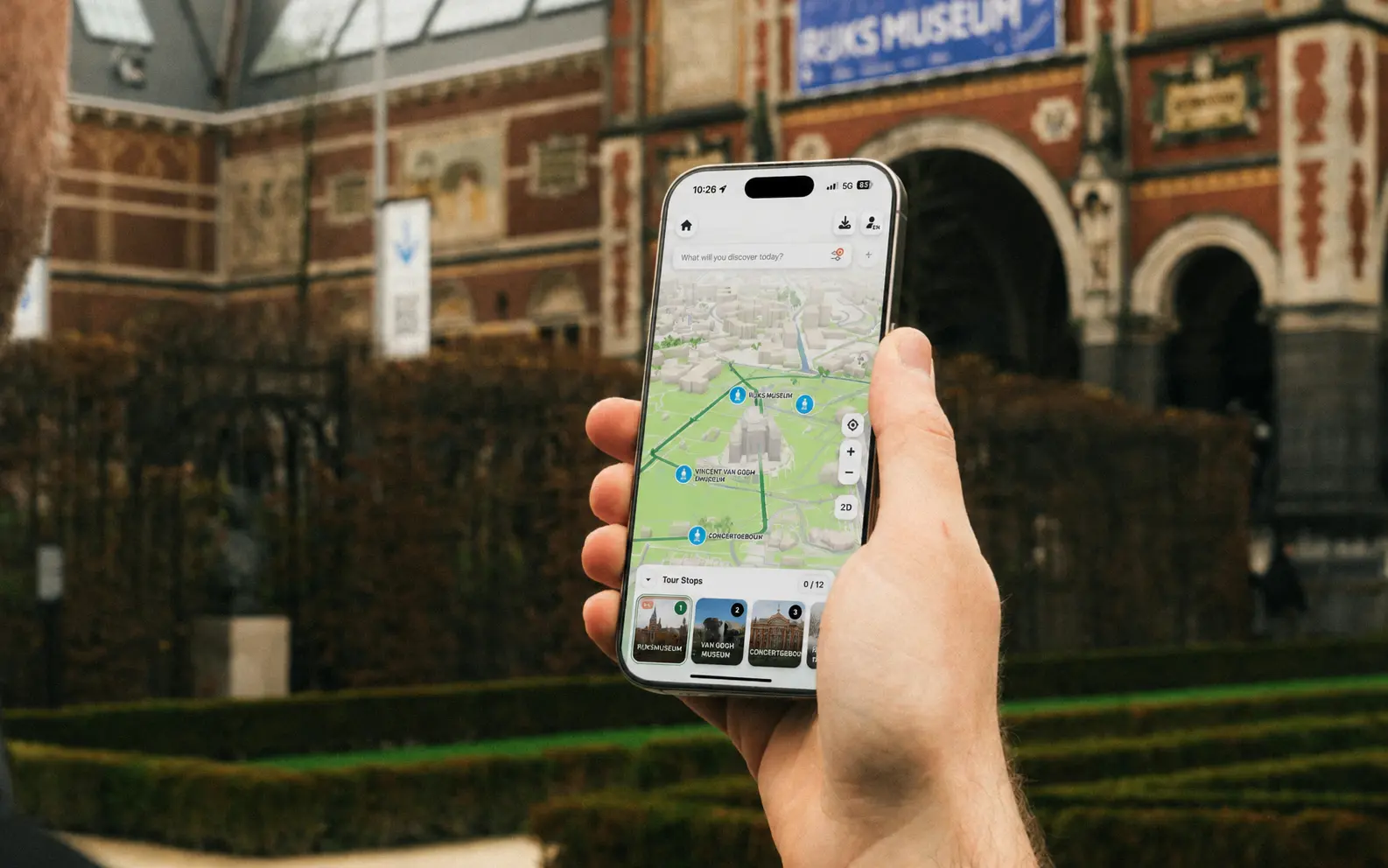
Another advantage is that information can be updated dynamically. Content and features can be reviewed and expanded over time, ensuring that the information offered to visitors remains accurate and relevant.
3D mapping and conservation
3D mapping is one of the most significant advances in heritage preservation. Using high-precision scanners, this technology can digitally record the details of a monument, object or site.
This detailed documentation creates a valuable record for future restoration and research. If a monument or object deteriorates, the digital model can support virtual reconstruction or even physical restoration.
Examples such as Pompeii in Italy or Notre-Dame Cathedral in France show the potential of 3D mapping for protecting cultural heritage.
A bridge between preservation and interpretation
Technology does not replace the responsibility of conserving heritage physically. But it creates new ways to document, study, communicate and share cultural memory.
When used responsibly, digital tools can help institutions preserve what is fragile, make collections more accessible and bring heritage closer to the public. In this way, technology becomes not only a tool for innovation, but also a tool for continuity between past, present and future generations.