
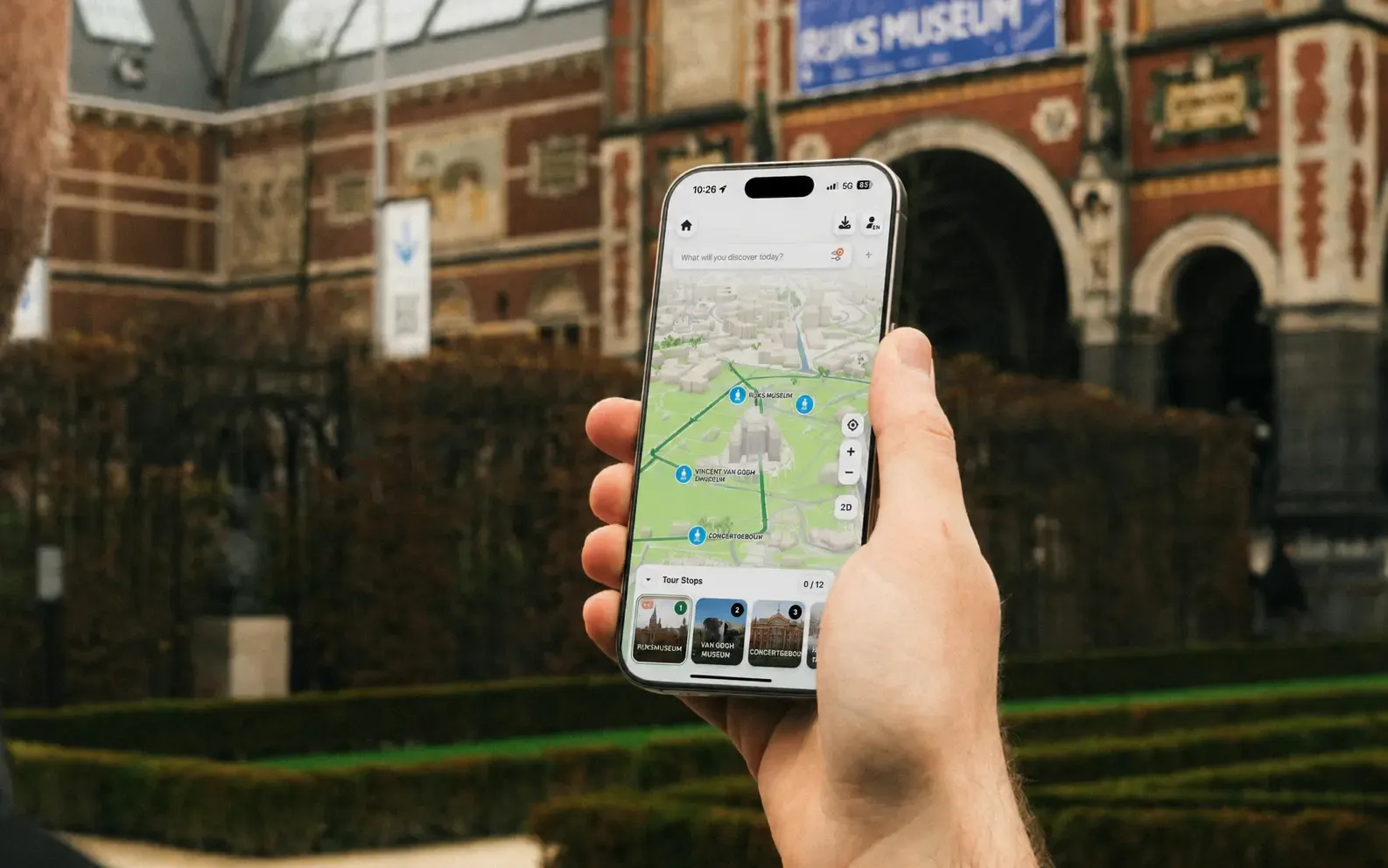
Do you enjoy discovering new places and learning about new cultures? You are not alone. Cultural tourism is one of the fastest-growing tourism segments and a major motivation for many travellers. Digital guides help improve that experience by making interpretation easier to access, more interactive and more adaptable.
Imagine arriving at a museum you have wanted to visit for a long time. You want to understand the history, stories and unique features of the place. You might search online, join a guided tour, buy a map, rent an audio guide or use a digital guide.
This article explains how digital guides improve the visitor experience from both the visitor perspective and the perspective of the teams that provide the experience.
Quick answer
Digital guides help improve the visitor experience by making interpretation easier to access, more interactive and more adaptable.
What is a digital guide?
In short, a digital guide is a communication system that helps cultural and tourism organizations inform specific audiences through digital technologies such as mobile web apps, artificial intelligence, maps, multimedia content or augmented reality.
In many contexts, a digital guide can be seen as the natural evolution of the conventional audio guide.
1. No queues
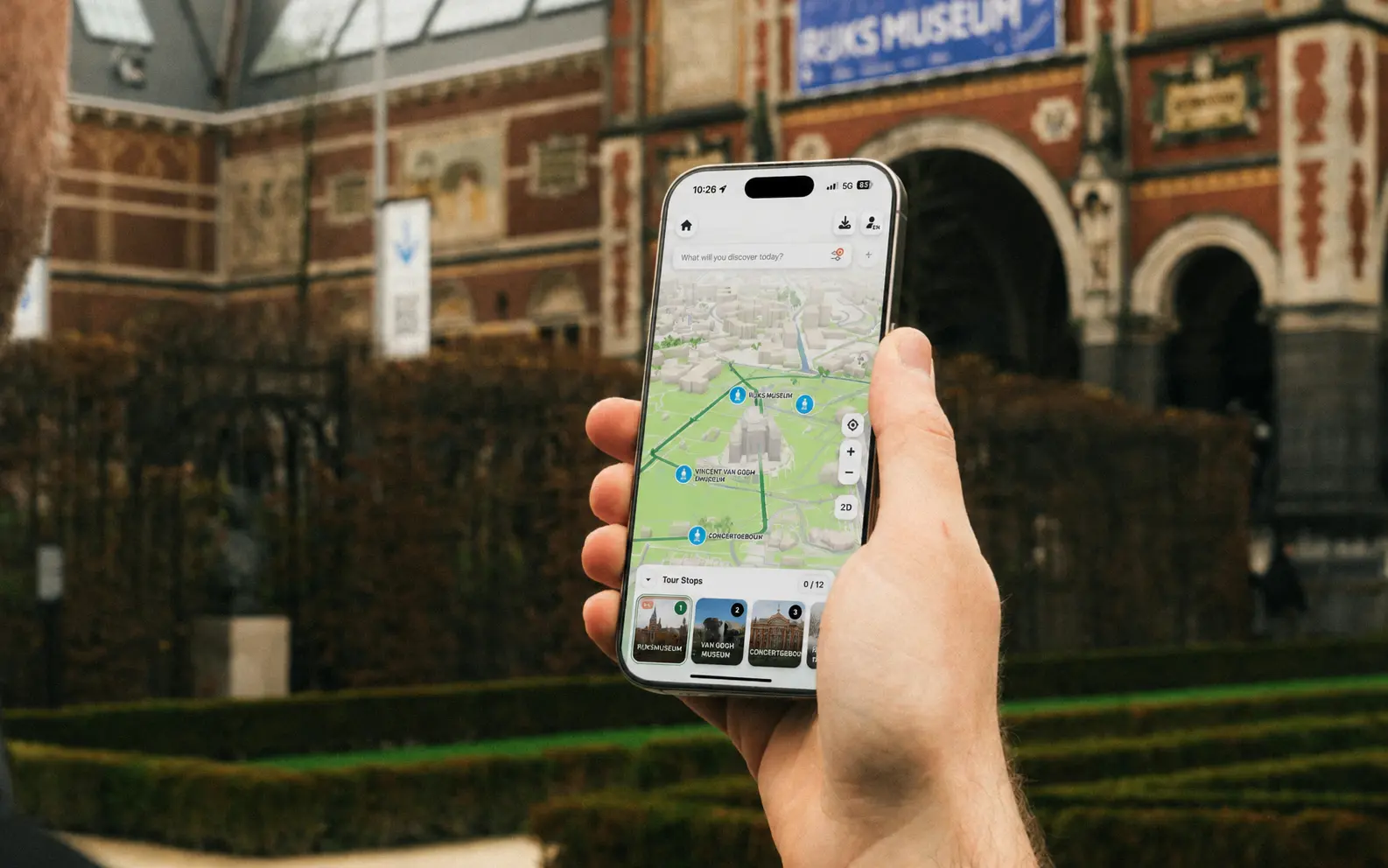
Visitors do not need to wait in line to collect physical equipment or wait for a guided tour to start. A digital guide can be available directly on the visitor’s smartphone, at the moment they need it and in the language they prefer.
2. More accessible
Modern digital guides can go far beyond multilingual content. They can support visitors with different needs, including visual, hearing, cognitive or age-related accessibility needs, helping cultural spaces become more inclusive.
3. Easier to use
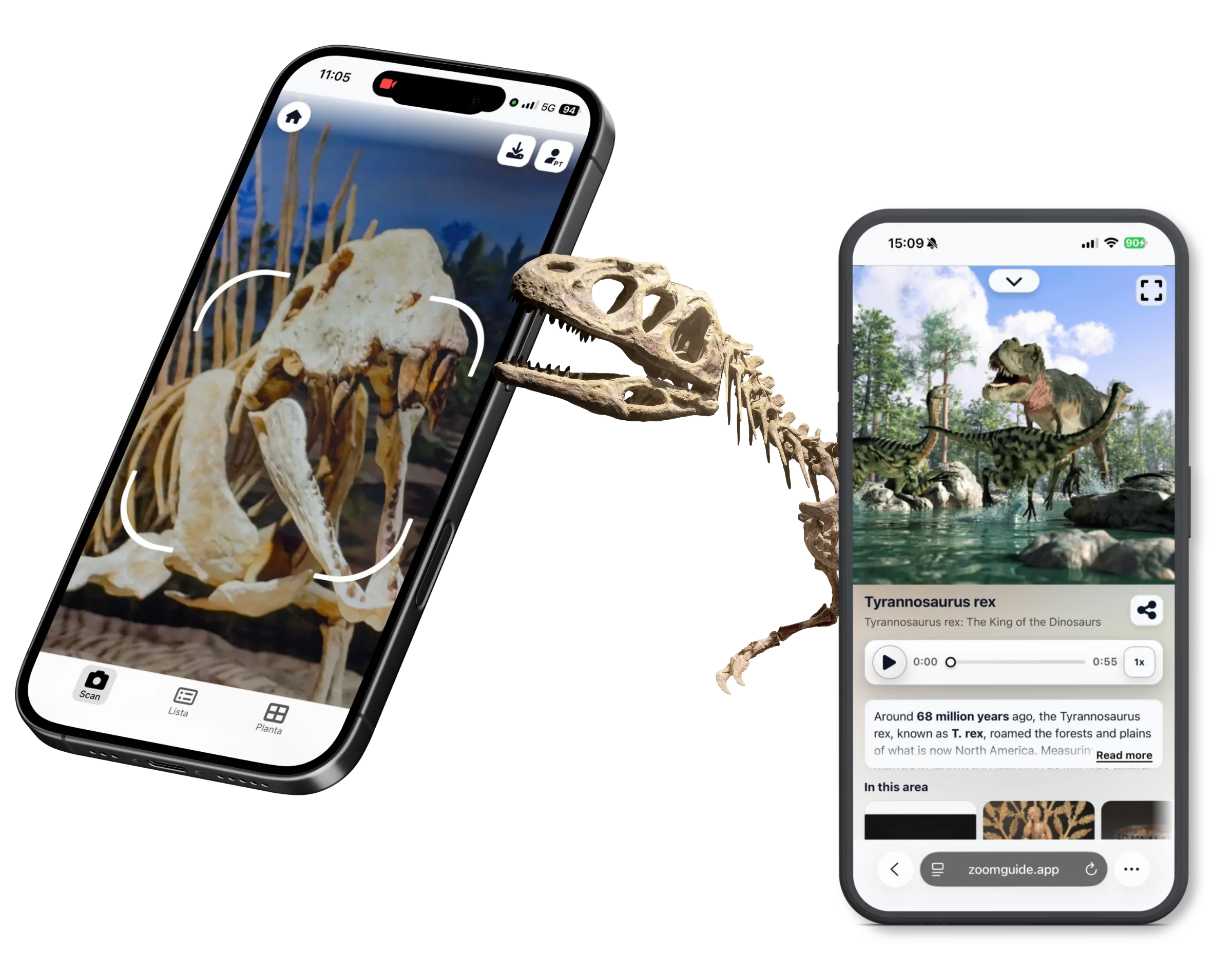
Some digital guide experiences can start in seconds. With browser-based access and technologies such as visual recognition, visitors can simply point their phone at an object, artwork or place of interest and receive relevant content without installing an app.
4. More interactive
Digital guides can make cultural experiences more interactive through audio, images, video, 3D models, animation, augmented reality and other forms of multimedia storytelling. These formats can help visitors understand context that is difficult to communicate through labels alone.
5. More hygienic
Because digital guides run on visitors’ own devices, they avoid the need to share physical equipment. This can reduce operational friction and improve visitor comfort.
6. Easier to manage
Conventional audio-guide content is difficult to update quickly. Digital systems make it easier for teams to update content as exhibitions, routes, opening conditions or visitor needs change.
7. Better audience insight
Digital systems can help teams understand what visitors are looking for through anonymous engagement data, surveys and content performance insights. This makes it easier to improve visitor experiences over time.
8. Less maintenance
Physical audio-guide systems require charging, storage, repairs, replacement and cleaning. Digital systems reduce or remove these maintenance needs by using the devices visitors already carry.
9. Less invasive in the space
Digital interpretation does not need to fill a museum or heritage site with hardware, labels or QR codes. Visual recognition and location-aware experiences can help visitors access content without adding heavy physical infrastructure.

10. Built to evolve
Unlike conventional audio guides, digital systems can evolve as visitor expectations, accessibility needs and technology change. This makes them a flexible foundation for cultural spaces, monuments, cities and routes that want to keep improving their visitor experience.
Digital guides are becoming an important part of how people discover places and cultures. When implemented well, they can make visits easier, richer, more accessible and more useful for both visitors and cultural teams.