
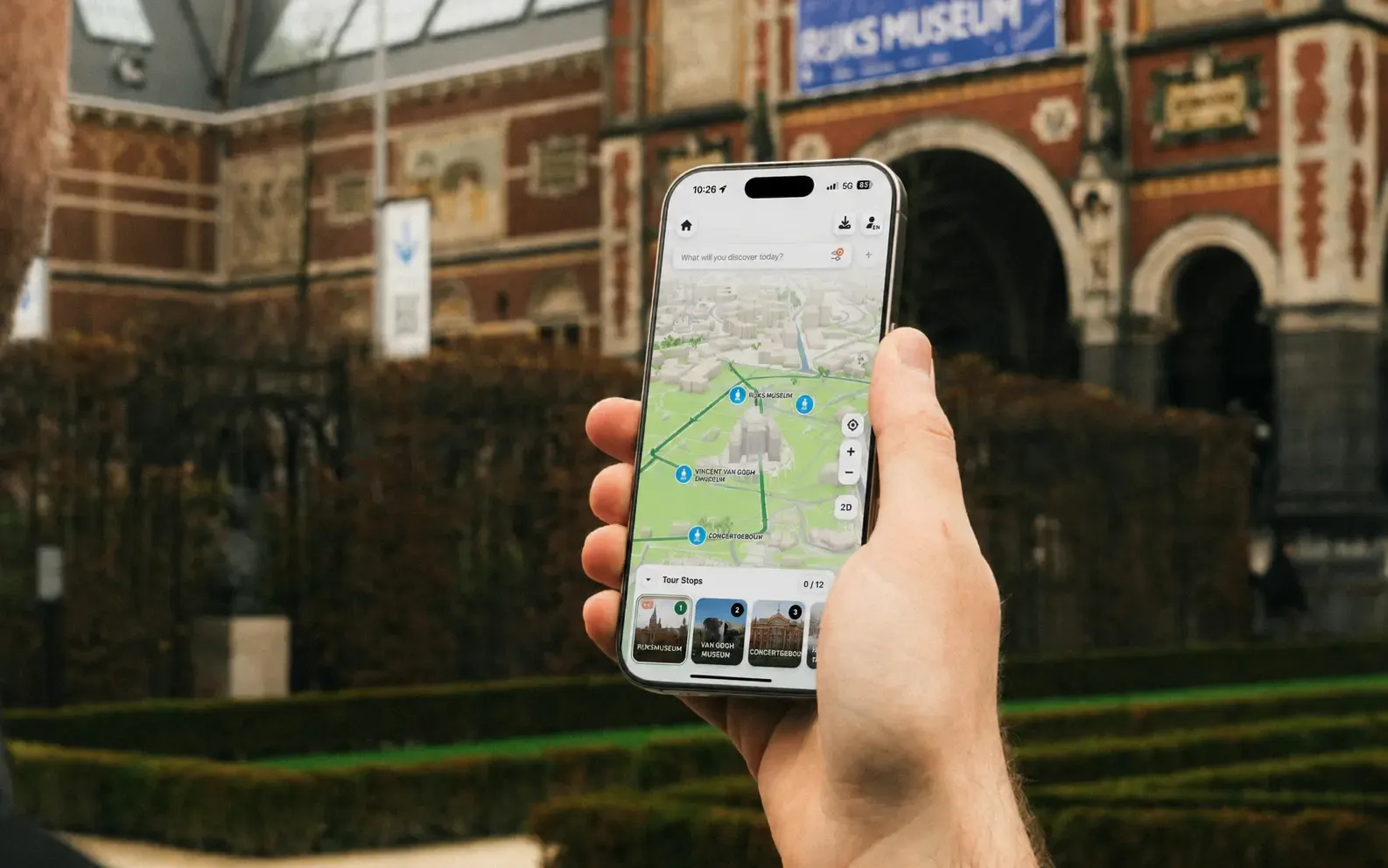
International tourists arrive with different languages, cultural references and levels of familiarity with the place they are visiting. When cultural spaces provide information only in one language, many visitors cannot fully understand the stories, objects and heritage around them.
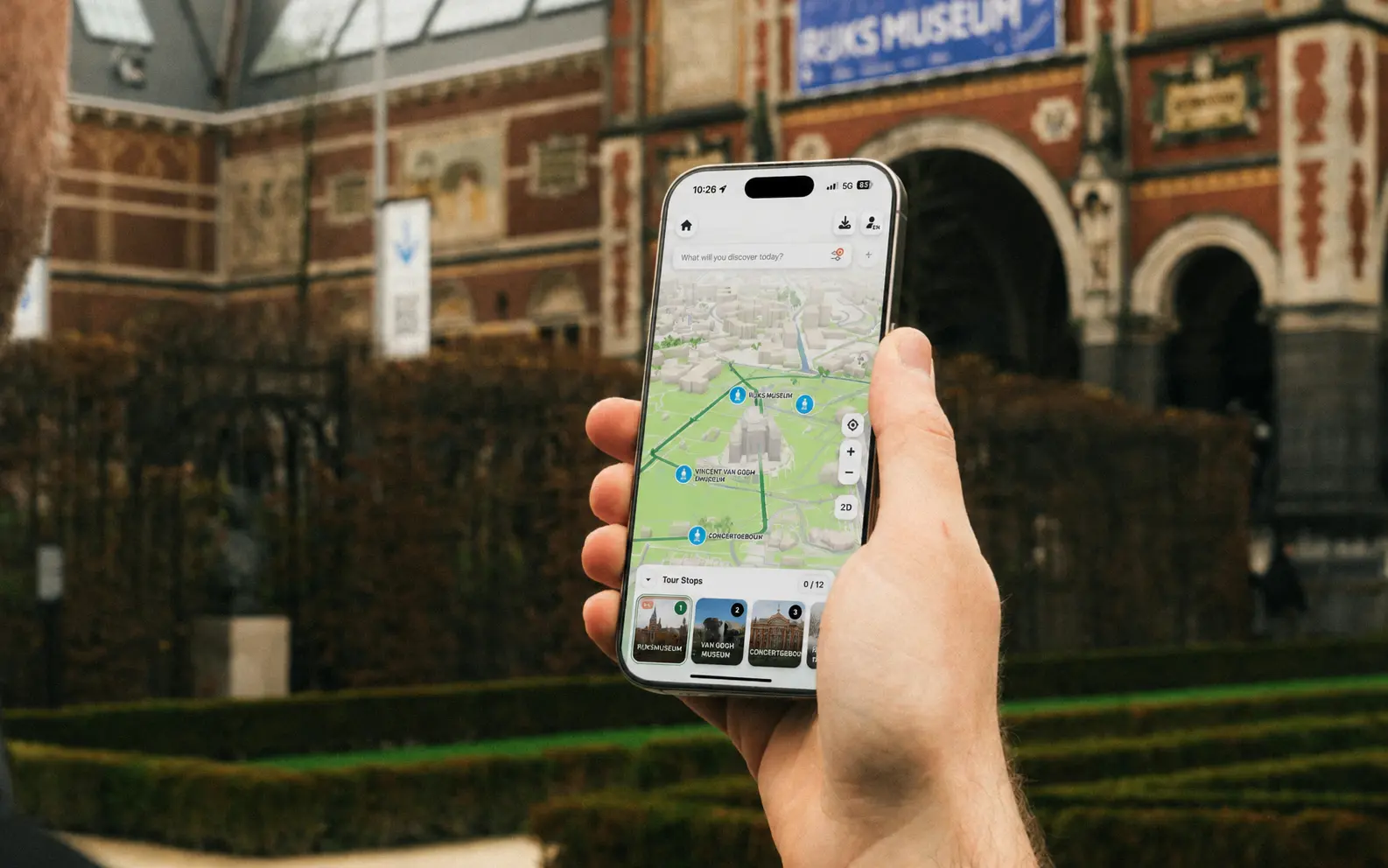
Audio guides in different languages are therefore a key tool for attracting and welcoming international tourists.
Language shapes the visitor experience
Understanding a place depends heavily on language. A visitor may enjoy the architecture, atmosphere or visual beauty of a museum or monument, but without accessible interpretation, the experience remains incomplete.
Multilingual audio guides allow visitors to access content in a language they understand, making the visit more comfortable, informative and memorable.
More inclusion, more value
Providing content in several languages is not only a service for tourists. It is also a form of inclusion. It recognizes that cultural spaces welcome diverse audiences and that visitors should not need to master the local language to participate in cultural life.
This can increase perceived value and improve satisfaction, especially in destinations that receive visitors from many countries.
Supporting tourism competitiveness
For museums, monuments and municipalities, multilingual content can strengthen tourism competitiveness. International visitors are more likely to recommend experiences where they felt welcomed and understood.
Digital audio guides make this easier because multiple languages can be offered through the same platform without requiring separate physical materials or devices.
Easier updates and flexibility
Digital systems also make it easier to update multilingual content. When exhibitions change or new routes are added, translations and audio can be updated centrally.
This is more flexible than printed brochures or conventional audio-guide systems, which may be expensive and slow to modify.
A better experience for global audiences
Tourism is increasingly international, and cultural spaces need to communicate with audiences from different linguistic backgrounds. Audio guides in different languages help visitors understand what they are seeing, connect with local heritage and feel more confident during the visit.
For institutions, they are a practical way to increase accessibility, improve visitor satisfaction and make cultural experiences more attractive to international tourists.