
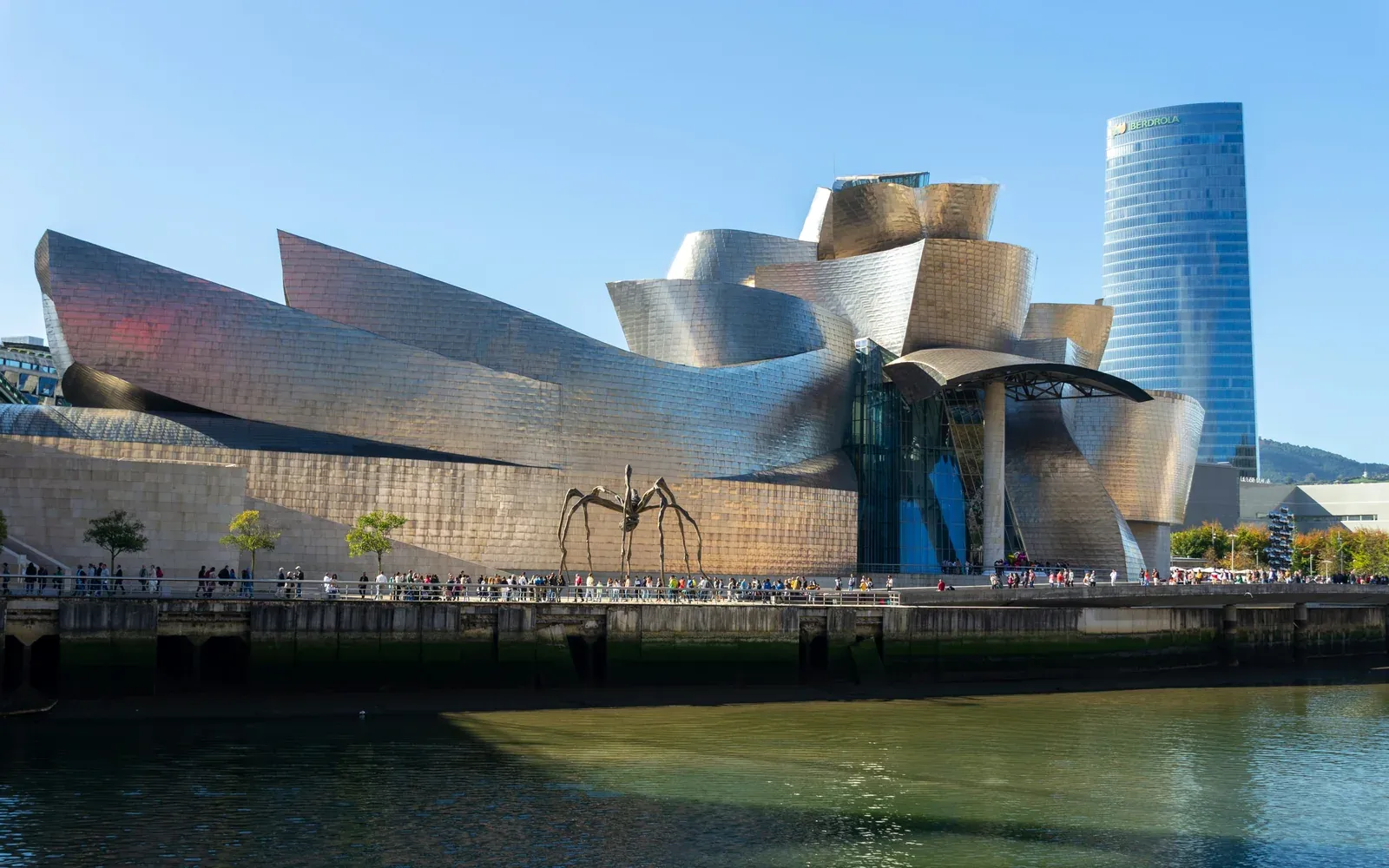
Digital heritage platforms can help museums, monuments and cultural territories preserve, communicate and make heritage more accessible. However, many institutions do not have the resources, staff or technical capacity to implement these tools alone.
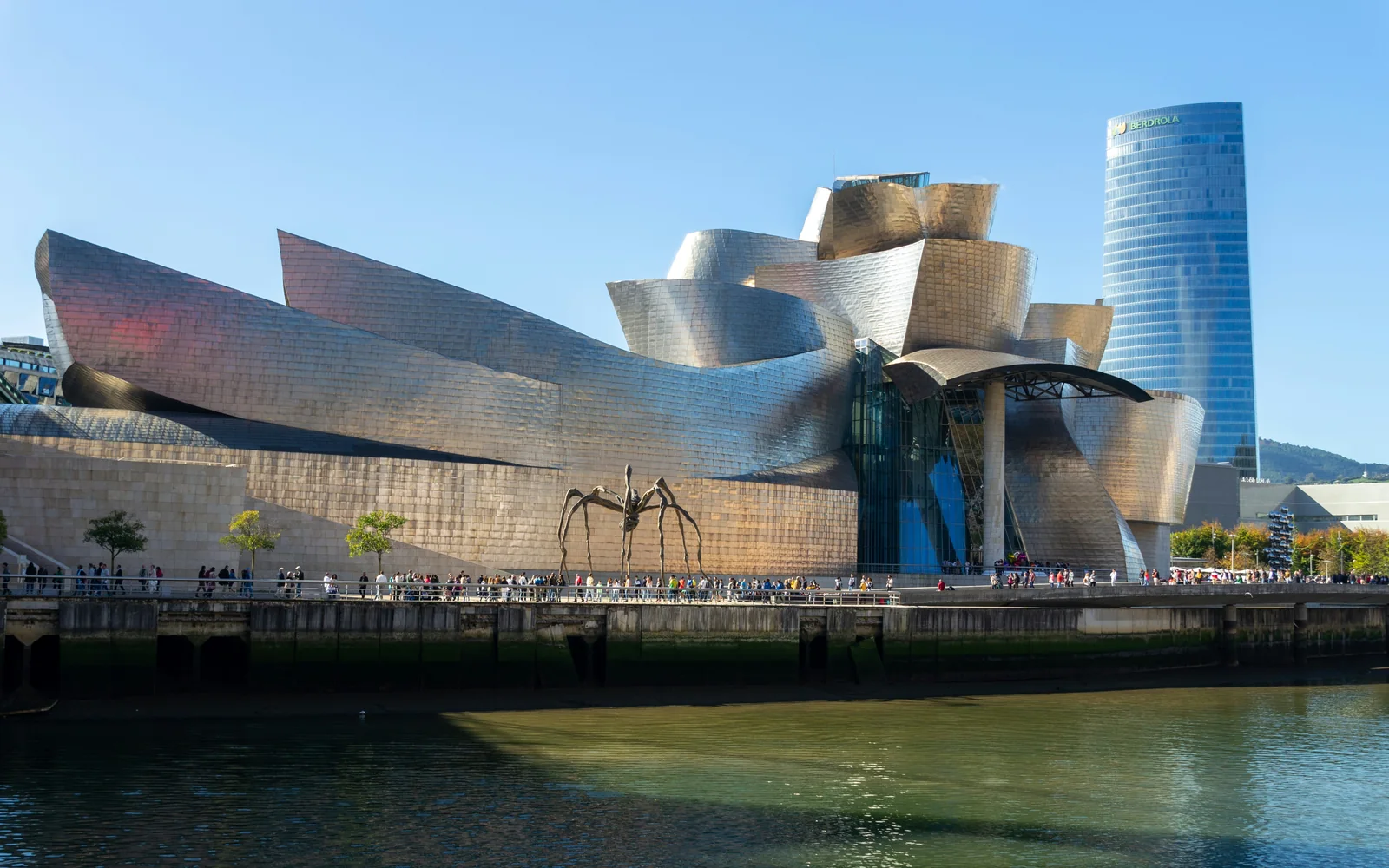
In this context, government support can be crucial.
Digital transition requires investment
Creating digital heritage experiences involves more than building a website or publishing a few texts online. It may require content production, accessibility adaptations, multilingual translation, multimedia, maps, audio, visual recognition, training and ongoing maintenance.
For many cultural institutions, especially smaller museums and local heritage spaces, these costs can be difficult to absorb without external support.
Public funding can help reduce this barrier and make digital transformation accessible to more institutions.
Heritage as a public good
Cultural heritage is not only an institutional asset. It is a public good. It belongs to communities and contributes to education, identity, tourism and social cohesion.
When governments support digital heritage platforms, they are investing in wider access to culture. They help ensure that more people can discover, understand and participate in heritage experiences.
Accessibility and inclusion
Government support can also accelerate accessibility. Digital platforms can include sign language, audio description, simplified language and multilingual content, but these adaptations require specialized work.
Without dedicated support, accessibility may be postponed or treated as optional. With public investment, it can become a central part of cultural modernization.
Innovation and territorial development
Digital heritage platforms can support tourism, local development and cultural innovation. They can connect museums, routes, monuments and destinations, encouraging visitors to explore more places and stay longer in the territory.
This creates value not only for institutions, but also for local economies.
Long-term impact
Government support is most effective when it does not only fund isolated projects, but helps create sustainable platforms, shared infrastructure and skills within cultural teams.
The goal should be to avoid one-off digital products that become outdated quickly. Instead, public policies should support tools that institutions can update, manage and evolve over time.
Government support for digital heritage platforms is therefore not only useful. In many cases, it is essential to make digital transformation inclusive, scalable and sustainable across the cultural sector.