
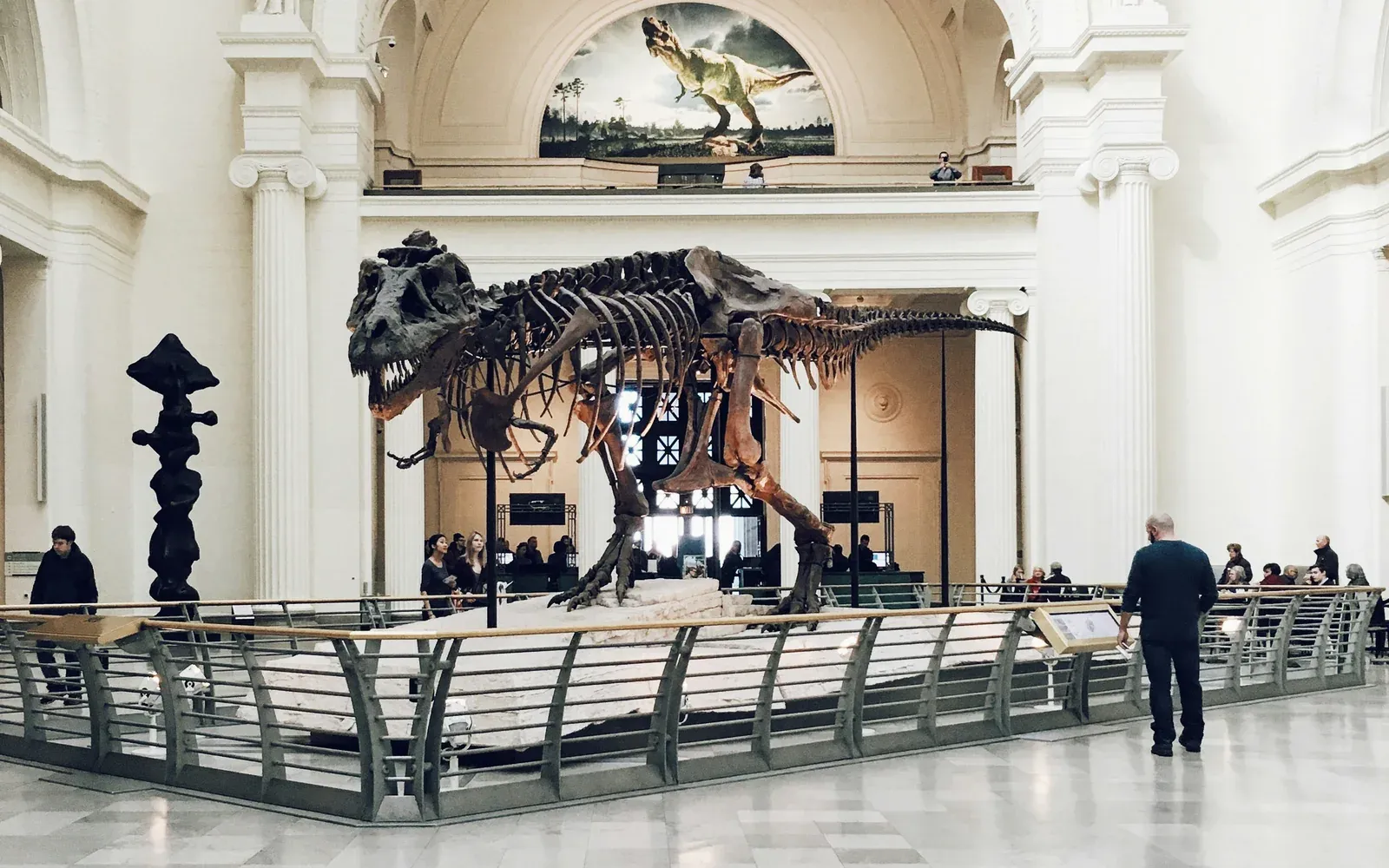
Museums are spaces of discovery. Visitors enter them to encounter objects, stories, ideas and contexts that may be unfamiliar. Yet this discovery does not always happen naturally. Many people move through exhibitions passively, without knowing where to focus their attention or how to connect the different elements of the visit.
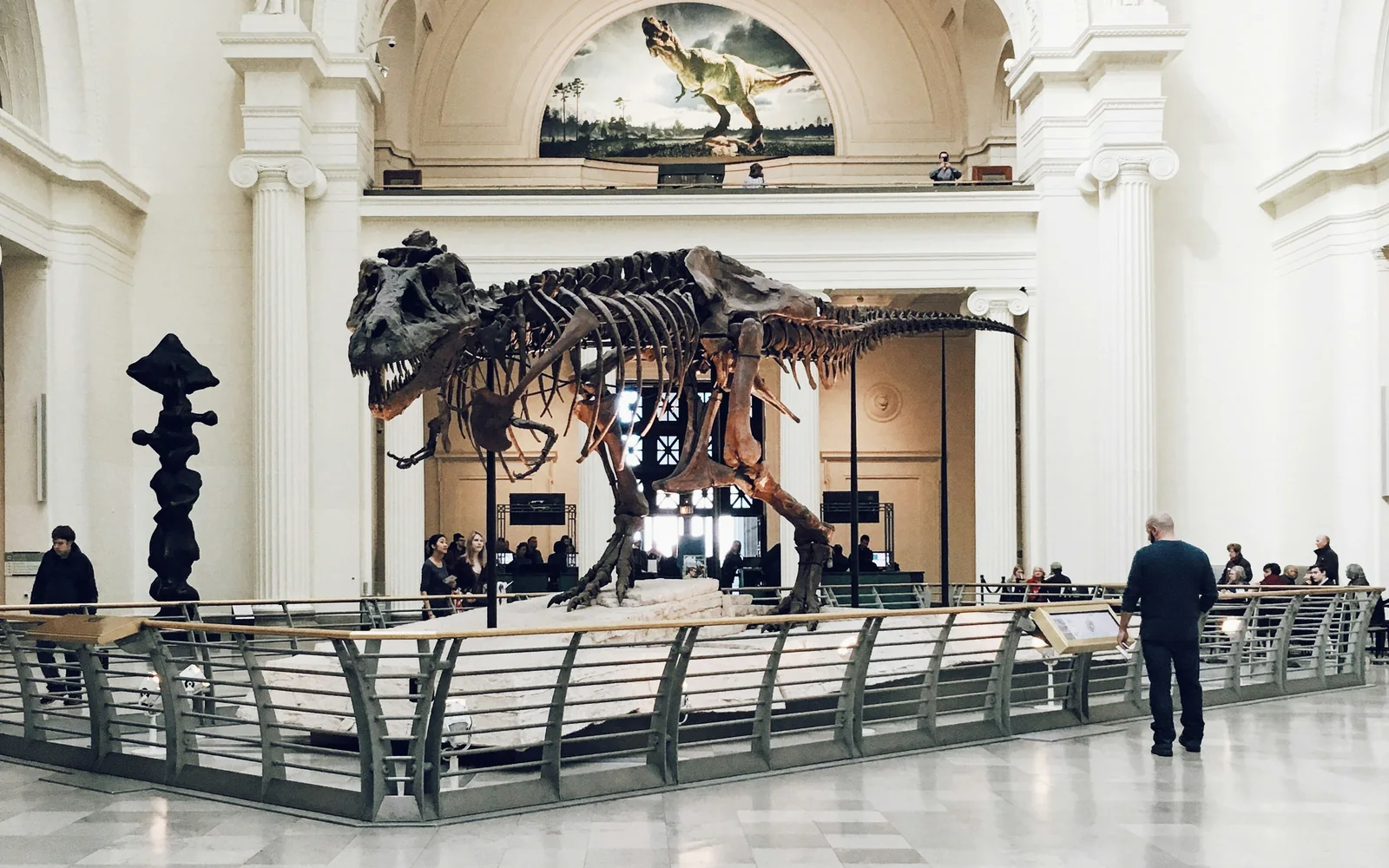
Gamification can help transform discovery into a more active and memorable experience.
What is gamification?
Gamification is the use of game mechanics in contexts that are not games. In museums, this can include challenges, missions, points, clues, questions, rewards or progress indicators that encourage visitors to explore more actively.
The goal is not to turn the museum into an amusement park. The goal is to use simple mechanics to stimulate curiosity, attention and participation.
Discovery with a purpose
When visitors are invited to complete a mission or solve a challenge, they often pay closer attention. They look for details, compare information, follow clues and make connections between objects or spaces.
This can be especially effective for children, families and younger audiences, but it can also work for adults when designed with the right tone. The experience should feel meaningful, not childish.
Digital guides and gamified experiences
Digital guides make it easier to include gamification in a cultural visit. They can present challenges, guide visitors through routes, ask questions, unlock content and provide feedback without requiring heavy physical infrastructure.

These tools can also adapt to different audiences. A family route may use playful questions, while an adult route may use interpretive challenges or thematic discoveries.
Benefits for museums
Gamification can help museums increase engagement, encourage visitors to explore more rooms, make learning more active and create a stronger memory of the visit.
It can also provide useful insights. Digital systems can help institutions understand which challenges are completed, which areas attract more attention and where visitors lose interest.
A balanced approach
The most important point is balance. Gamification should respect the cultural content and support the curatorial narrative. It should not distract from the artworks or objects, but help visitors look more carefully at them.
When well designed, gamification can transform a visit into a journey of curiosity. It gives visitors a reason to continue exploring and helps museums make discovery more active, inclusive and memorable.