
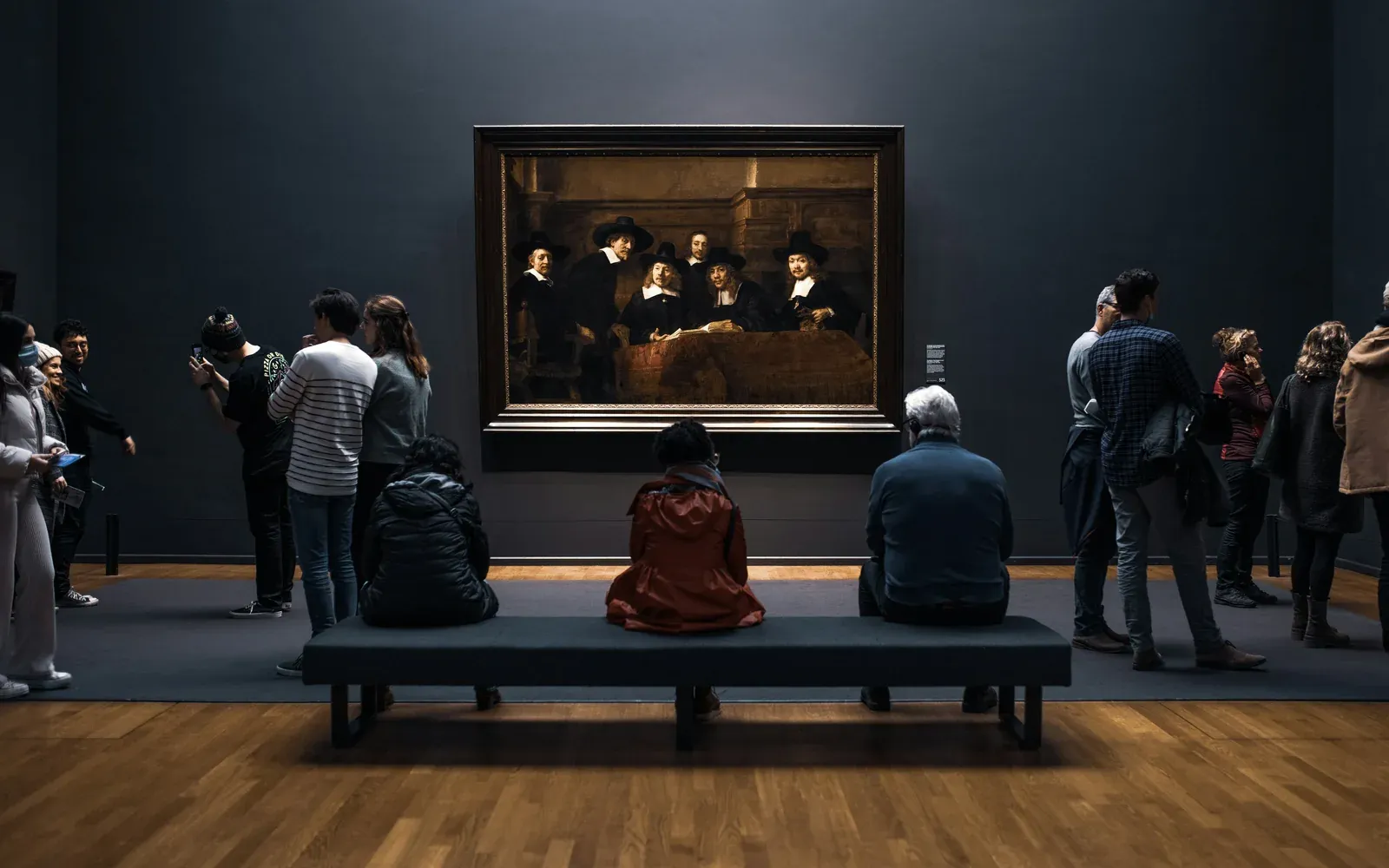
In a world increasingly shaped by technology, some generations feel they are being left behind. This is especially relevant for older audiences, who may have more difficulty using digital tools or may feel less confident when faced with new interfaces.
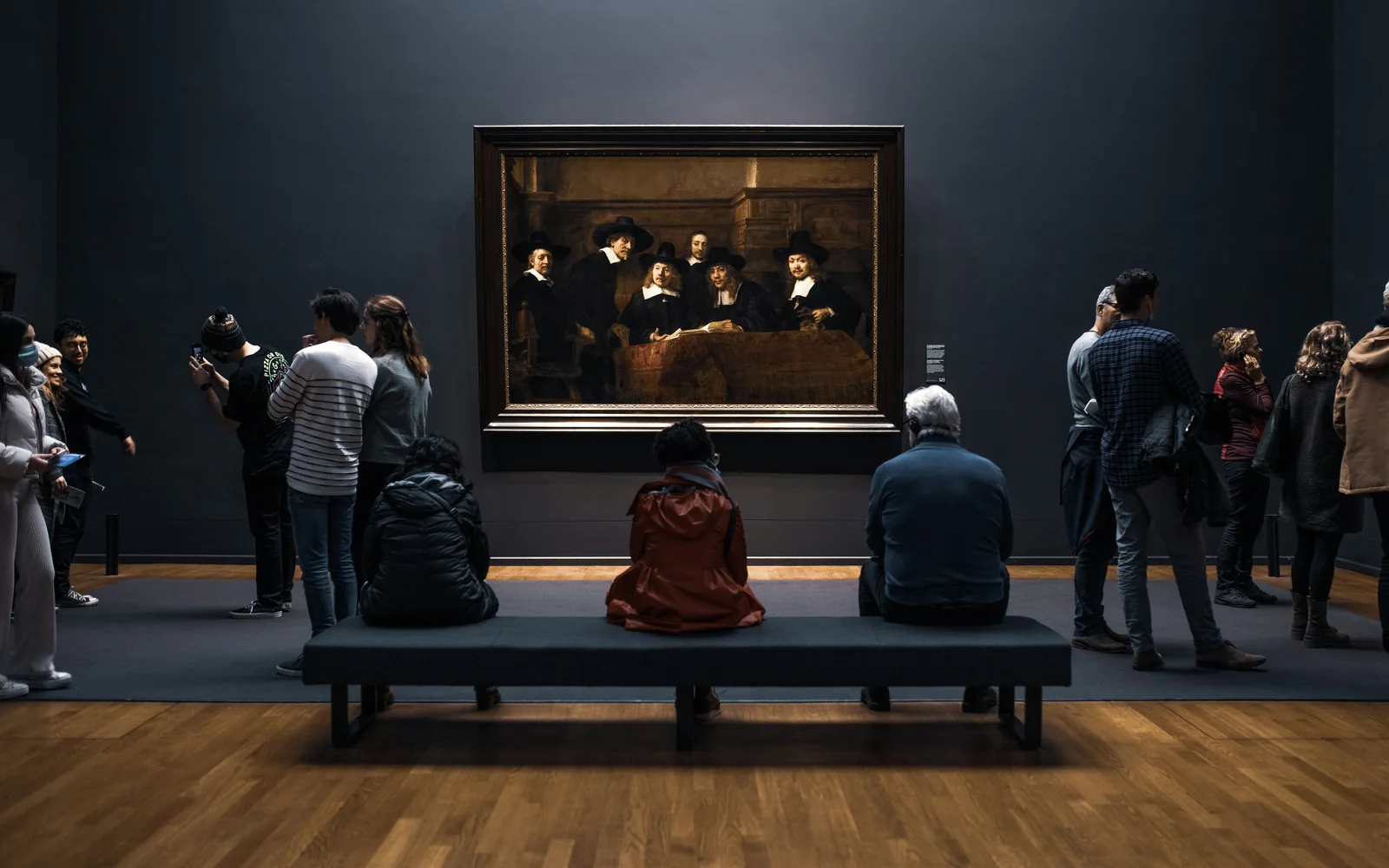
Cultural spaces have an important role to play in this context. Museums, monuments and heritage sites can use technology not as a barrier, but as a bridge to include older visitors, support their autonomy and make visits more comfortable and meaningful.
Technology should simplify, not complicate
The main concern when designing digital experiences for older audiences should be simplicity. Interfaces must be clear, readable and easy to use. Instructions should be direct, buttons should be visible and the experience should avoid unnecessary steps.
For many older visitors, the issue is not a lack of interest in technology. The problem is often poorly designed technology. If the experience is confusing, too small, too fast or too dependent on previous digital knowledge, it can create frustration and exclusion.
Good design can change this. A digital guide that opens directly in the browser, uses clear language, offers large readable text and includes audio can make the visit easier for older audiences.
Accessibility benefits everyone
Designing for older audiences also improves the experience for many other visitors. Larger text, clear navigation, audio support, simple language and intuitive routes are useful not only for seniors, but also for families, international tourists and people with visual, cognitive or mobility-related needs.
This is why accessibility should not be treated as a separate feature. It should be part of the foundation of the visitor experience.
Autonomy and confidence
One of the greatest benefits of well-designed technology is that it can give older visitors more autonomy. Instead of depending entirely on printed materials, staff members or guided tours, visitors can access information at their own pace.
They can listen instead of reading, repeat content, choose what interests them most and adapt the visit to their energy, time and preferences. This creates a more respectful and comfortable experience.
However, support remains important. Cultural spaces should provide clear onboarding, visible instructions and staff who can help visitors start the digital experience when needed.
Attracting older audiences
Including older audiences is not only a matter of accessibility. It is also a way to strengthen cultural participation. Many older visitors have time, interest and motivation to engage with culture. They may become loyal visitors, recommend experiences to others and participate in educational or community programmes.
Technology can help cultural institutions communicate with these audiences, offer adapted routes, provide audio explanations and make content available in formats that are easier to use.
The goal is not to force older visitors into a technological model. The goal is to use technology carefully so that it supports comfort, independence and participation.
When designed with empathy, new technologies can help cultural spaces become more inclusive and more attractive for older audiences, ensuring that digital transformation does not leave anyone behind.