
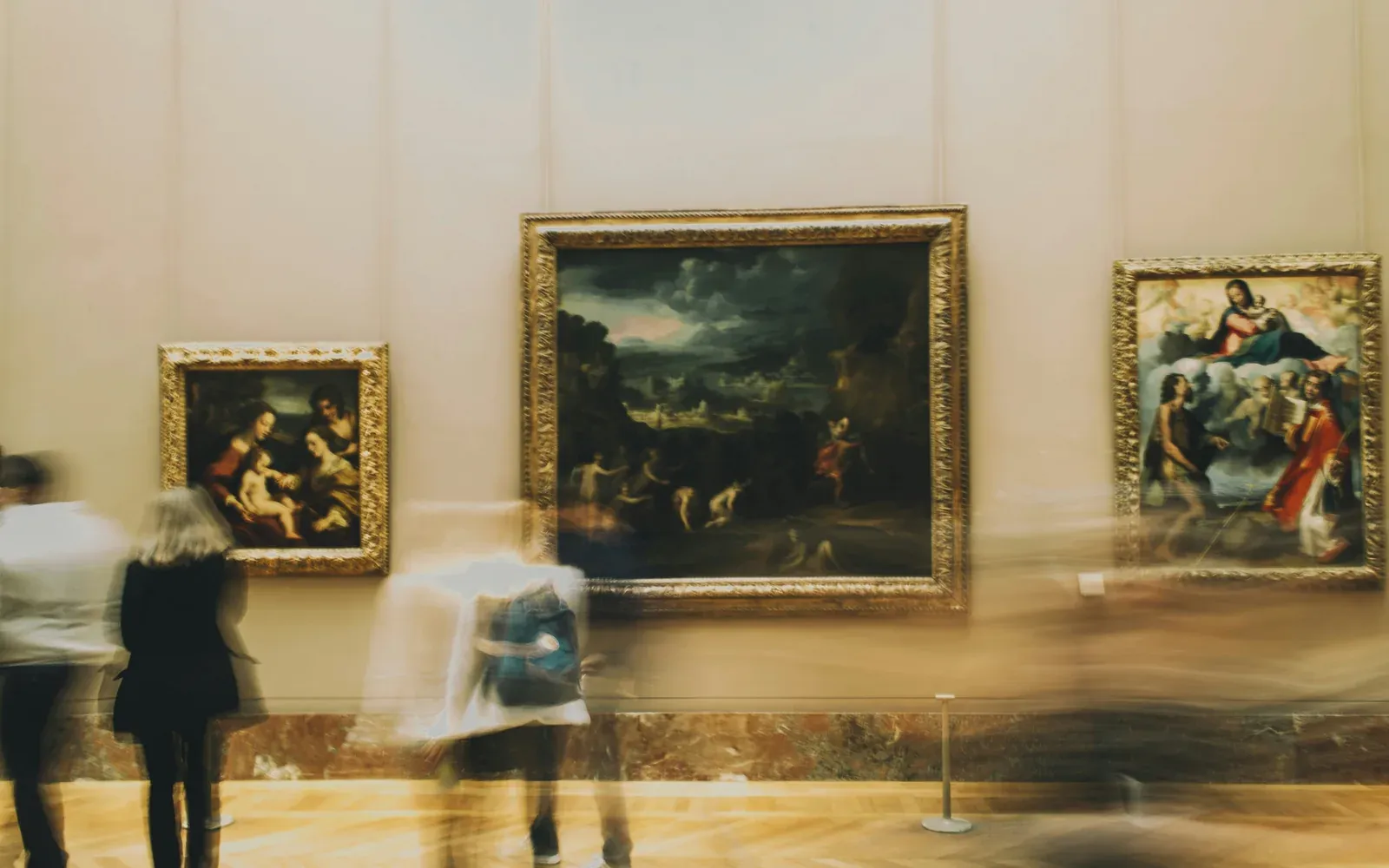
Museums and cultural spaces have always sought to transmit knowledge, preserve memory and create moments of reflection. For a long time, the dominant model was based on contemplation: visitors observed, read and listened, while the institution defined the narrative and the pace of the visit.
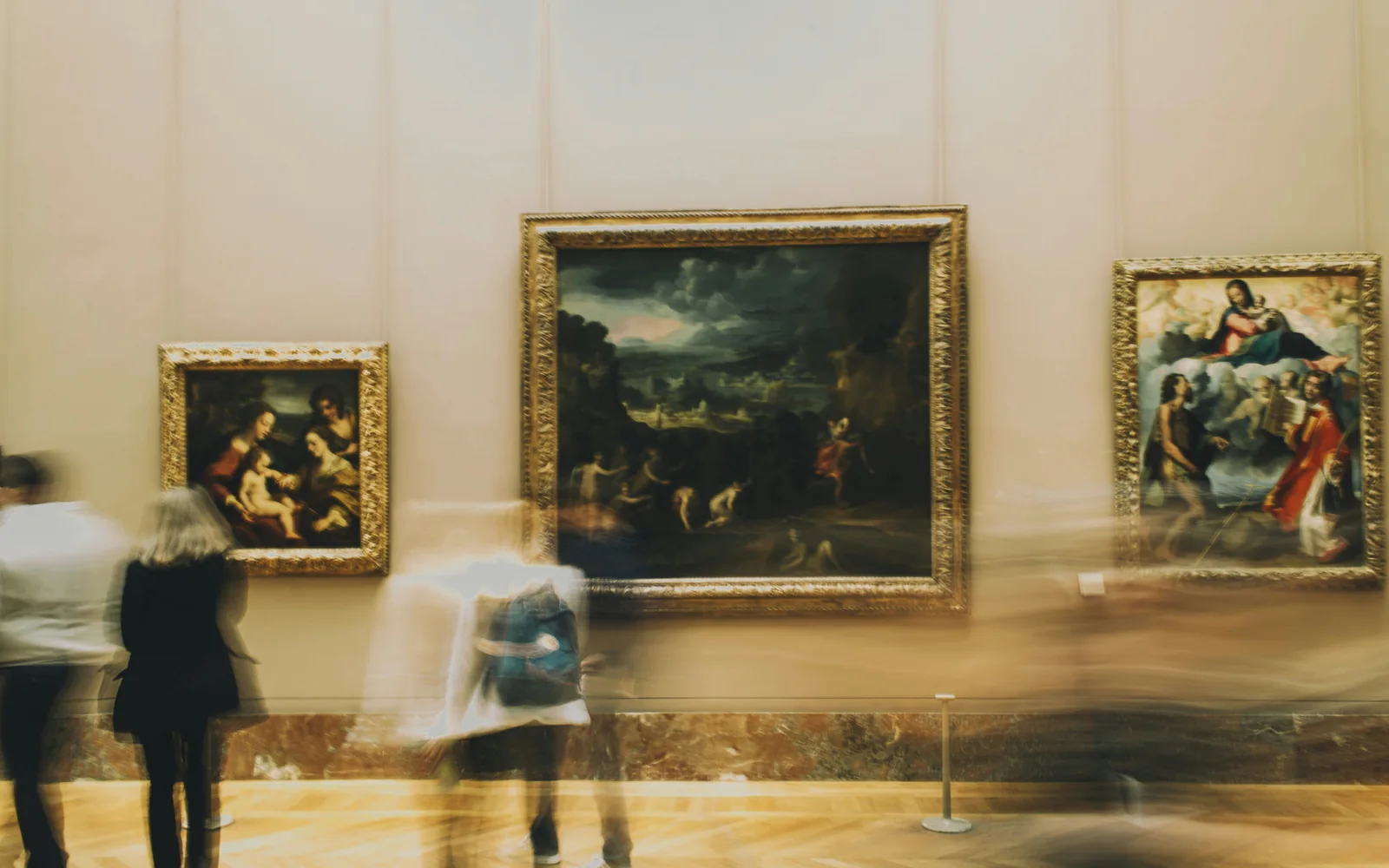
This model remains valuable. Contemplation continues to be essential in culture. But the relationship between visitors and cultural spaces is changing. Many audiences now expect to participate, choose, interact, ask questions and build their own route through the experience.
A more active visitor
The contemporary visitor is not only a receiver of information. They are used to interacting with content, choosing formats, personalizing experiences and moving between physical and digital environments. This affects how they relate to museums, monuments and heritage sites.
Participation does not mean turning every visit into a game or reducing the depth of cultural content. It means creating opportunities for visitors to become more actively involved in the discovery process. They may choose the themes that interest them most, follow a route, answer questions, listen to audio, explore images or use digital tools to access additional layers of interpretation.
The result is a more personal relationship with the content. Visitors do not only learn what the institution tells them; they build meaning through the way they move, choose and connect information.
Cultural spaces as places of dialogue
This shift requires institutions to think of interpretation as a dialogue rather than a one-way transmission. A visitor may not have specialist knowledge, but they bring curiosity, expectations, memories and personal references. When cultural spaces acknowledge this, the experience becomes more inclusive and more meaningful.
Digital tools can support this transformation by offering different levels of content and different ways to engage. Some visitors may want a short explanation, others may prefer a deeper narrative, a children’s version, audio description, sign language or a more interactive challenge.
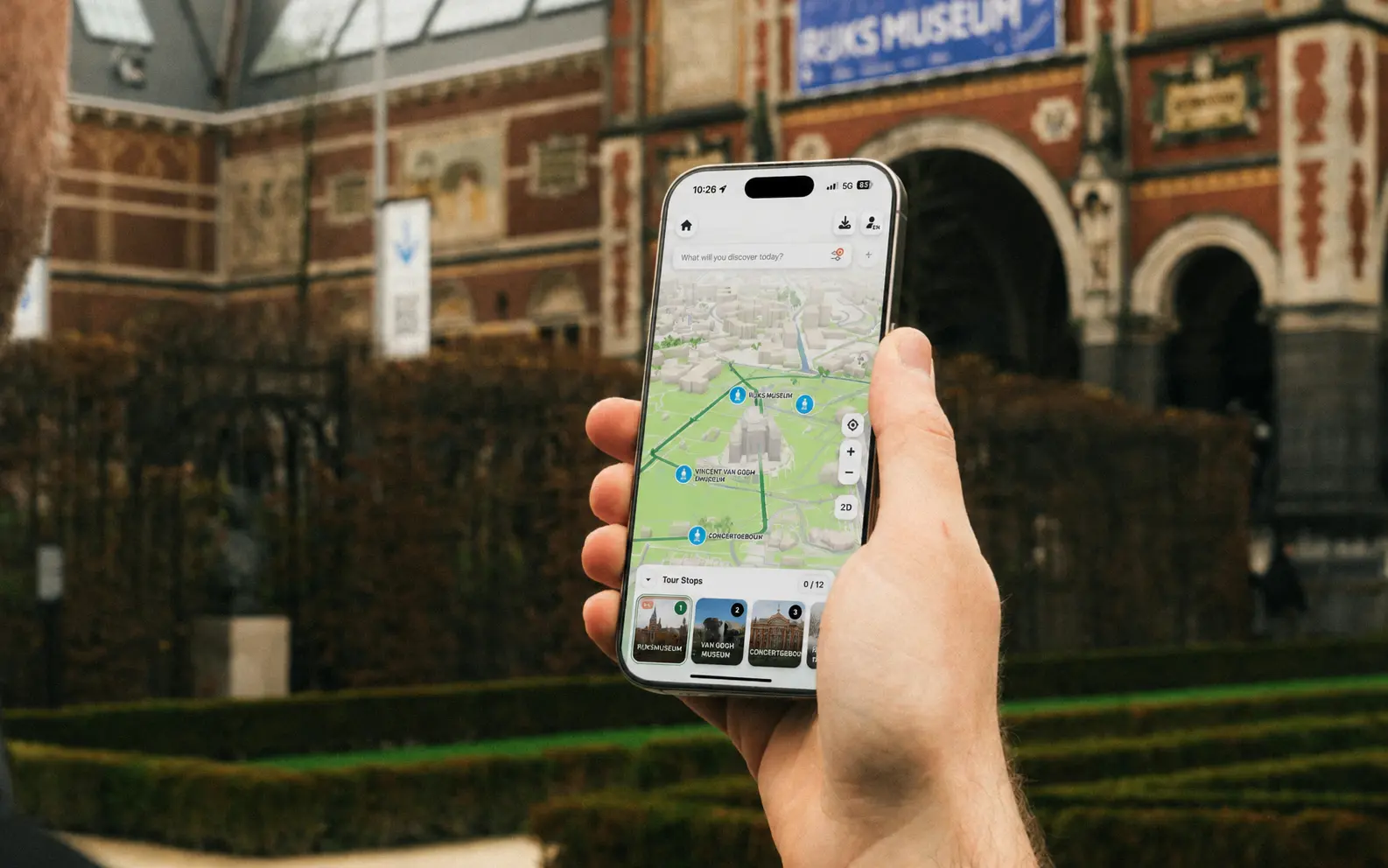
Instead of forcing everyone into the same interpretive path, cultural spaces can offer flexible experiences that adapt to different audiences.
Participation strengthens memory
When visitors participate actively, they are more likely to remember the experience. Interaction, choice and emotional connection help transform information into memory. A question, a challenge, a story or an unexpected discovery can become the detail that stays with the visitor long after the visit ends.
This is particularly important for younger audiences, families and visitors who may not usually feel close to museums. Participation can reduce the distance between the institution and the public, making culture feel more accessible and less intimidating.
A new balance
The future of cultural spaces is not a choice between contemplation and participation. The challenge is to create a better balance between the two. Visitors still need time to observe, silence to reflect and space to encounter heritage directly. But they also benefit from tools that help them understand, interact and connect.
Participation should not replace curatorial rigour. It should strengthen it by making interpretation more accessible, more engaging and more adaptable to different visitors.
Cultural spaces that embrace this new relationship can become more than places to visit. They can become places where people discover, interpret, question and participate in the construction of cultural meaning.